
Rattan
Calamus rotang
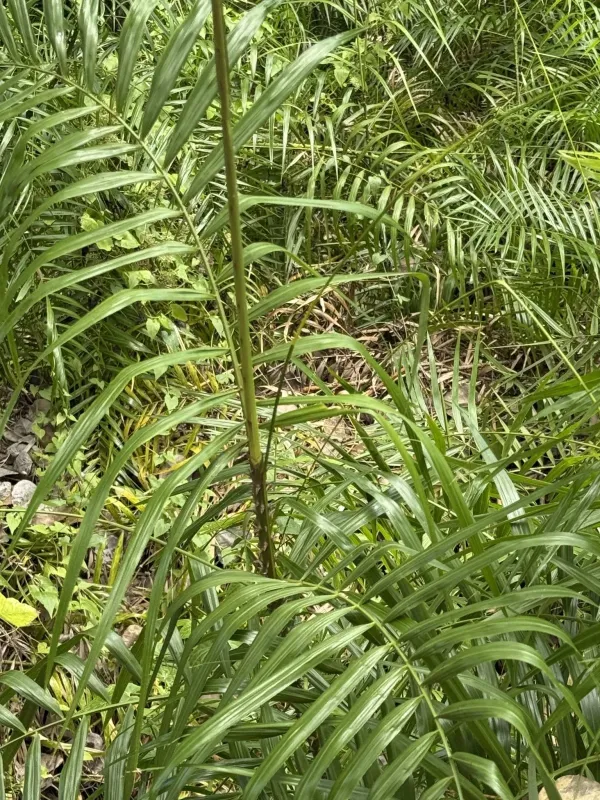
Description
Sowing dates
Rattan, belonging to the Arecaceae (palm) family, is a climbing vine that propagates primarily through seeds. In professional cultivation, seeds are harvested from mature fruit and sown in specialized nursery beds where environmental conditions are strictly controlled to ensure optimal germination rates.
The sowing period is typically aligned with the onset of the rainy season to provide the necessary humidity for seed development. Because the seed coat is naturally hard and protective, agronomic practices often involve scarification or chemical pre-treatment to accelerate the emergence of the primary root system.
Upon germination, seedlings are nurtured in containers with high-nutrient, organic-rich substrates. These initial stages are critical for the plant to develop a robust root system, which acts as the foundation for its slow but steady transition into the vertical growth phase typical of the species.
The transition from nursery to natural forest habitat requires careful site selection. Young rattan plants are placed in areas where they can access filtered light, as direct exposure to harsh tropical sun can stress the saplings and inhibit their early growth rate.
Modern agrotechnology is exploring micropropagation techniques to clone high-quality, disease-resistant varieties. This allows for a more uniform crop, ensuring that the resulting rattan stems meet the specific structural requirements demanded by the global furniture manufacturing industry.
Growing requirements
Rattan thrives in humid tropical environments, requiring consistent temperatures between 25 and 32 degrees Celsius. Any significant deviation from this range or prolonged exposure to cold can dramatically stunt the plant's development and reduce the quality of the harvestable cane.
Soil requirements involve well-draining, moisture-retentive loams rich in organic matter. Natural forest floors provide the perfect medium, where decaying leaf litter constantly replenishes essential nutrients required for the rapid elongation of the rattan stem.
Vertical support is a fundamental necessity for rattan. As a climbing plant, it utilizes hooked spines on its leaf sheaths to latch onto canopy trees. Successful cultivation requires a managed forest structure where these host trees are preserved to allow the rattan to climb toward sunlight.
Water management is paramount; while rattan loves high humidity, stagnant water around the root zone must be avoided to prevent rot. Irrigation, if necessary in younger stages, should focus on maintaining constant, deep soil moisture without causing waterlogging.
Thinning the forest canopy is an essential agronomic operation. By selectively removing surrounding brush and excessive shade, growers ensure that the rattan plant receives enough light to maintain a vigorous growth cycle while preventing competitive stress from other forest flora.
Main diseases and pests
The most significant threats to rattan include various fungal pathogens that flourish in high-humidity storage areas. These fungi cause staining and structural degradation, rendering the cane brittle and unsuitable for the high-quality furniture market.
Insect pests, particularly wood-boring beetles, pose a major risk to both living plants and harvested material. Integrated pest management, including chemical-free treatments and proper kiln drying, is essential to protect the integrity of the harvest before it reaches the workshop.
Environmental threats such as forest fires and prolonged droughts can have devastating effects on rattan populations. Because the plant relies on forest cover, any loss of the local ecosystem directly impairs the ability of the rattan to grow and regenerate effectively.
Over-harvesting by unauthorized collectors remains a challenge in many regions. Harvesting immature stems not only results in poor quality material but also exhausts the plant's resources, significantly slowing down the recovery and productivity of the entire forest patch.
Long-term protection of rattan resources requires strict monitoring of forest health, controlled access to harvesting sites, and a commitment to agroforestry practices that balance industrial demand with the biological needs of the species and its habitat.
Harvesting
Harvesting rattan is a skill-intensive process usually performed by hand. Collectors must identify stems that have reached the appropriate age—typically 7 to 15 years—to ensure the cane has developed the necessary density, flexibility, and strength for commercial use.
Once selected, the long stems are cut at the base and carefully extracted from the forest canopy, a process that requires precision to avoid damaging the host tree or the surrounding younger rattan growth. The stems are then cleaned, removing the thorny leaves and protective sheaths.
Post-harvest treatment involves drying the canes in the sun to reduce moisture content and prevent fungal growth. Many commercial operations also boil the canes in oil or treat them with steam, which enhances their natural pliability, sets the color, and provides resistance against insect attacks.
The utility of rattan is vast, ranging from high-end furniture crafting and basketry to fishing gear and agricultural bindings. Its unique physical properties—high strength-to-weight ratio and ability to be bent into complex shapes—make it an irreplaceable natural material.
Sustainable harvesting is a core component of rattan management. By removing only mature stems, growers allow the plant to continue producing new shoots from the root crown, creating a renewable income stream that incentivizes the preservation of tropical forest ecosystems.