
Calamus oxleyanus
Calamus oxleyanus
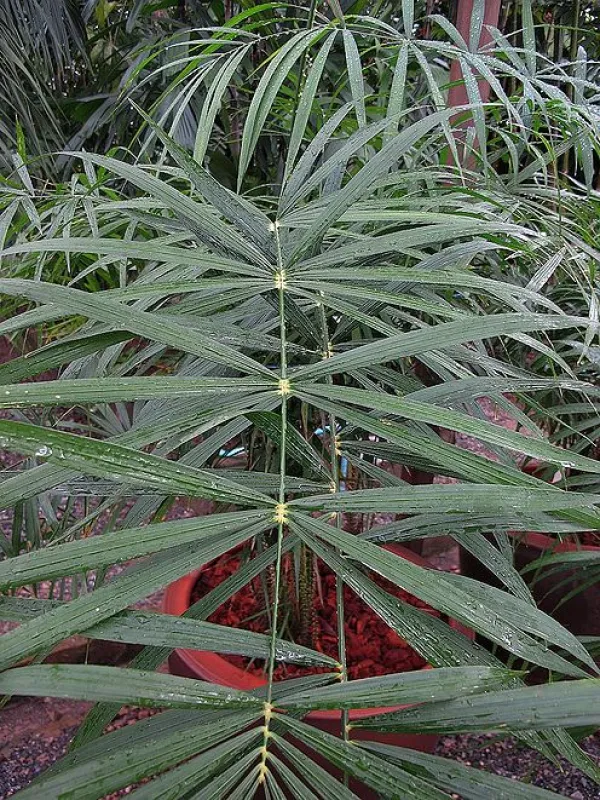
Description
Growing requirements
Calamus oxleyanus is a climbing palm species belonging to the Arecaceae family. Native to the rainforests of Southeast Asia, it is primarily found in tropical regions where it thrives under the canopy of dense forests.
The crop requires a humid tropical climate with temperatures consistently ranging between 22°C and 30°C. High air humidity is essential for the healthy development of its stems, which are highly prized for their structural flexibility.
Soil requirements involve well-drained, nutrient-rich substrates, preferably with a slightly acidic to neutral pH. It is crucial to prevent waterlogging, as the root system of this species is highly susceptible to rot in stagnant moisture conditions.
As a climbing vine, Calamus oxleyanus requires structural support to grow vertically. In farming practices, this is achieved by maintaining forest trees or installing artificial trellises to ensure the plant can reach adequate light levels.
Exposure to direct sunlight should be managed to avoid tissue damage in younger plants. Consistent, indirect lighting is ideal for promoting rapid growth and ensuring the high quality of the cane harvested at maturity.
Yield
The primary economic value of Calamus oxleyanus lies in its canes, which are used extensively in the global furniture and handicraft industries. Its durability and elasticity make it a preferred material for high-quality weaving and framing.
Harvesting involves carefully cutting mature stems, which must then undergo a processing cycle, including stripping of the outer thorny sheath, cleaning, and drying. Professional processing ensures the material's longevity and aesthetic appeal.
Yield efficiency is determined by the spacing of plants and the maturity of the stems at the time of harvest. A well-managed plantation can provide a sustainable, renewable supply of rattan for many years.
Beyond the furniture sector, young palm shoots are sometimes consumed as food in local culinary traditions. The versatility of the plant allows for multiple uses, contributing to the economic stability of local farming communities.
Sustainable cultivation methods aim to balance the extraction of canes with the natural regeneration cycle of the palm. This ensures that the plantation remains productive while preserving the biodiversity of the local ecosystem.
Main diseases and pests
Fungal pathogens are the most common threat to Calamus oxleyanus, particularly in areas with poor ventilation and high humidity. Sanitation practices, such as removing debris and thinning dense clusters, are vital for disease control.
Insect pests, including wood-boring beetles and mites, can cause significant damage to growing stems. Effective pest management strategies involve regular monitoring and the application of environmentally friendly biocontrol agents.
Environmental stress, such as prolonged drought, can lead to stunted growth and reduced fiber quality. Implementing irrigation systems, such as drip lines, can mitigate these risks during dry seasons in tropical climates.
Improper harvesting techniques, such as cutting too close to the base, can jeopardize the plant's ability to regenerate. Adhering to sustainable harvesting standards is essential for maintaining the health of the plant population.
The risk of invasive species outcompeting the crop for nutrients is also a factor. Regular plantation maintenance helps ensure that the palms receive adequate resources for healthy development and maximum output.