
Calamus muelleri
Calamus muelleri
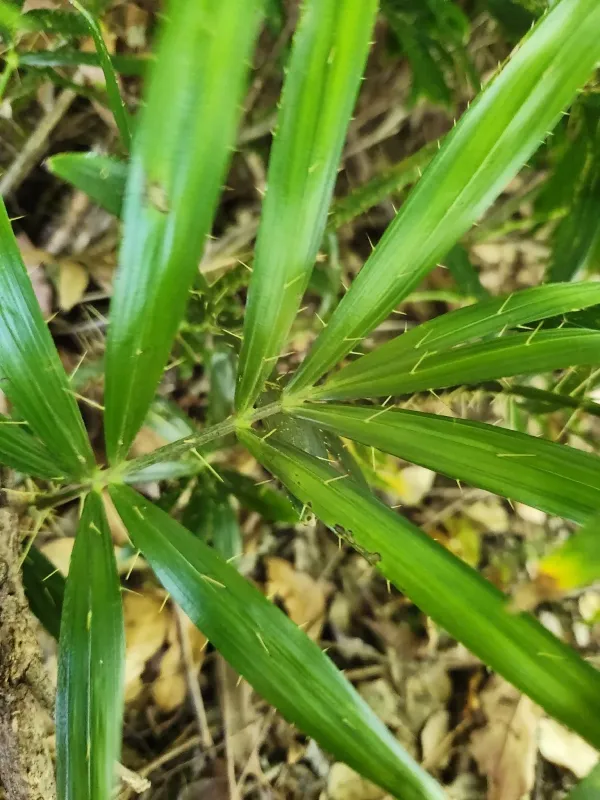
Description
Growing requirements
Calamus muelleri, commonly known as a species of lawyer cane or rattan palm, belongs to the Arecaceae family. It is native to the rainforests of eastern Australia, where it thrives as a vigorous climbing palm in sheltered, humid environments.
The cultivation of this species requires a tropical or subtropical climate with consistent warmth. It is highly sensitive to frost, necessitating locations that remain protected from cold winds and extreme temperature drops throughout the year.
Soil requirements involve a deep, well-draining medium rich in organic matter. The palm prefers slightly acidic to neutral soils and relies on high atmospheric humidity to maintain the turgidity of its developing fronds and stems.
Botanically, it is characterized by its long, trailing stems armed with recurved spines, which allow it to climb through the forest canopy. In controlled environments, providing adequate structural support is essential for the healthy elongation of its canes.
The economic significance of Calamus muelleri lies in its production of high-quality rattan. Its stems are processed for use in the furniture industry, creating durable, lightweight, and aesthetically pleasing woven goods for global markets.
Main diseases and pests
Common health threats include root rot pathogens, which thrive in waterlogged soil conditions if drainage is inadequate or irrigation is excessive.
Insects such as spider mites and scale insects are known to infest the foliage, particularly in confined settings where air circulation is limited or airflow is stagnant.
Fungal leaf spot diseases can develop under high-humidity conditions without proper light exposure, leading to necrosis and premature leaf drop.
Nutrient deficiencies, particularly involving nitrogen and magnesium, can result in leaf yellowing and a significant reduction in the growth rate of the cane.
Environmental stress, such as direct exposure to harsh, drying winds, can damage the juvenile stems, making the plant more susceptible to opportunistic secondary infections.