
Calamus melanochaetes
Calamus melanochaetes
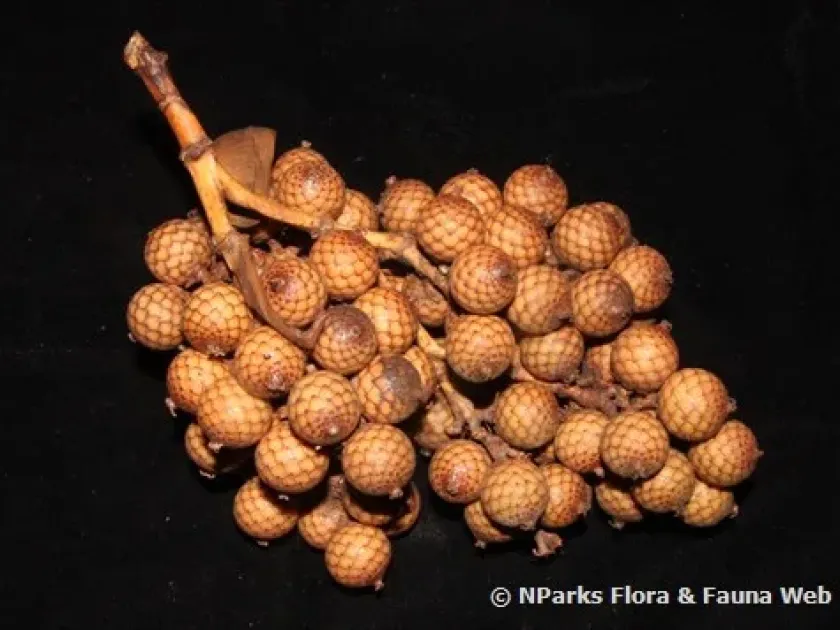
Description
Growing requirements
Calamus melanochaetes is a climbing palm species belonging to the Arecaceae family. Native to the tropical rainforests of Southeast Asia, it functions as a vigorous woody vine that ascends towards the forest canopy by using hooks and spines located along its stems.
The cultivation of this crop requires a tropical climate characterized by consistently high rainfall and uniform temperatures. It thrives best in regions where humidity levels remain high throughout the year, mirroring the natural forest environment that sustains its rapid growth.
Soil conditions play a pivotal role in the health of the plant. Calamus melanochaetes prefers deep, well-draining soils rich in organic matter. While it thrives in moisture, it requires soil with sufficient porosity to prevent waterlogging, which can lead to root degradation.
Agricultural management primarily focuses on providing adequate support structures for the climbing stems. Effective agro-technical practices include careful spacing during plantation establishment to ensure that each plant has sufficient access to diffuse light filtered through the upper canopy.
The primary economic value of this species lies in its strong, flexible stems. These are harvested and processed into rattan, which is highly sought after for the manufacture of furniture, woven baskets, and various handicrafts that serve as both utility and decorative items globally.
Main diseases and pests
The crop is vulnerable to various fungal pathogens that thrive in the humid, low-air-flow conditions of tropical forests. These infections can cause stem discoloration and decay, significantly reducing the market value of the harvested canes.
Insects, particularly wood-boring beetles, represent a major biological threat. By boring into the core of the cane, these pests weaken the structural integrity of the fibers, making them prone to snapping and rendering them useless for high-quality furniture production.
Integrated pest management strategies are essential, involving the regular removal of necrotic or damaged plant debris from the plantation floor. This practice reduces the buildup of inoculum and limits the habitat available for pests to complete their life cycles.
Environmental changes that lead to prolonged stagnant moisture can further exacerbate disease incidence. Consequently, maintaining optimal plantation density is a key agricultural strategy to promote better air circulation and improve the overall resilience of the rattan stands.
Monitoring programs are crucial for the early detection of localized infestations. By addressing pest hotspots early through mechanical or targeted control measures, growers can avoid large-scale loss of the rattan yield and maintain supply chain consistency.