
Calamus jenkinsianus
Calamus jenkinsianus
Description
Growing requirements
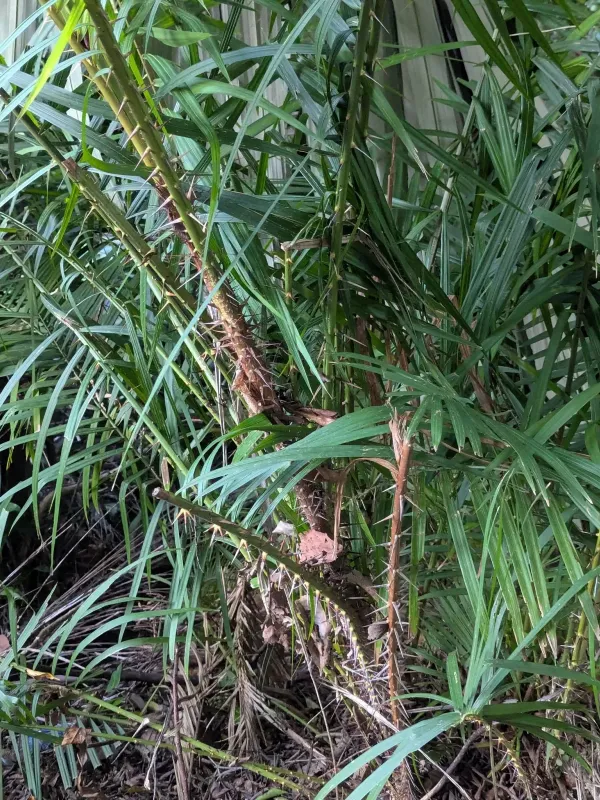
Calamus jenkinsianus is a notable species within the Arecaceae family, characterized as a robust climbing palm commonly referred to as rattan.
The plant thrives in tropical climates, requiring high humidity levels and consistent temperatures ranging typically between 22 and 30 degrees Celsius.
Optimal soil conditions include fertile, organic-rich, and well-drained loams that prevent root rot while maintaining necessary moisture levels for growth.
As a climbing vine, this species requires sturdy structural support or natural forest canopies to facilitate vertical growth and develop high-quality long stems.
Agricultural management must prioritize site selection that offers protection from harsh direct winds and extreme heat, ensuring a stable microclimate for the palm.
Yield
The primary economic output of Calamus jenkinsianus is its long, flexible stem, which serves as a staple material for the global wicker and rattan furniture industry.
These stems are valued for their structural strength and aesthetic appeal, making them highly desirable for high-end home decor and durable interior furnishings.
Beyond furniture, the plant is harvested for various domestic utility items, such as mats, baskets, and decorative structural elements in traditional architecture.
The yield quality depends heavily on the maintenance of proper growth conditions and the specific age at which the stems are selected for commercial harvest.
Advanced processing techniques applied post-harvest, such as steaming and sanding, significantly enhance the commercial value of the harvested rattan stems.
Harvesting
Harvesting rattan is a specialized process involving the precise cutting of mature stems at the base, followed by careful extraction from the support trees.
Field workers must use protective gear to handle the stems safely, as they are covered in sharp, defensive spines that protect the plant in the wild.
Harvesting efficiency is improved by systematic plantation management, which allows for consistent yields and avoids over-harvesting of young, immature stems.
Post-harvest cleaning is essential to remove thorny outer layers, ensuring the raw material is ready for transport to industrial processing facilities.
Timing the harvest to match the maturation cycle of the palm is crucial to ensure that the rattan maintains its characteristic flexibility and structural integrity.