
Calamus densiflorus
Calamus densiflorus
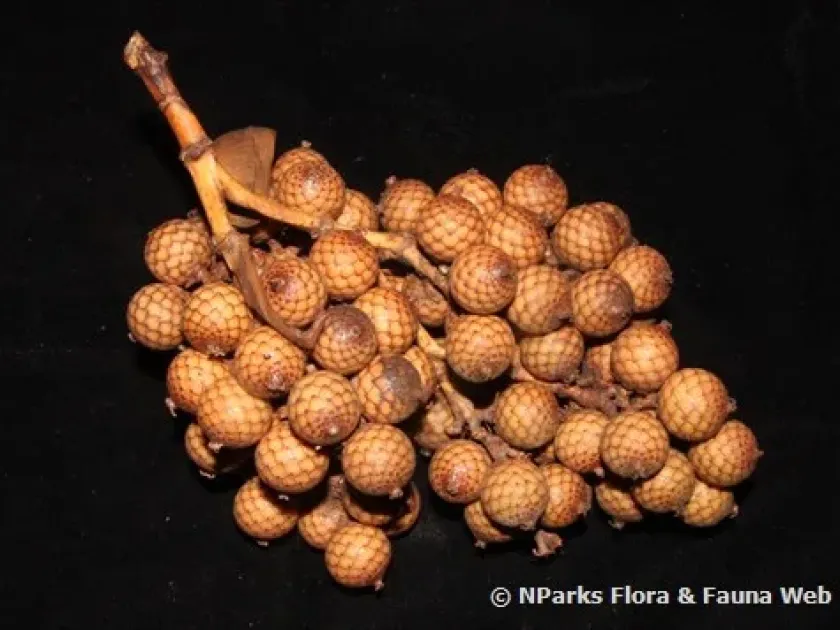
Description
Growing requirements
Calamus densiflorus is a member of the Arecaceae family, recognized as one of the climbing palm species vital for the rattan industry. Originating from the tropical forests of Southeast Asia, it thrives in high-humidity environments.
The cultivation of this species requires specific tropical conditions, including warm temperatures consistently above 22 degrees Celsius and significant annual rainfall. It acts as an epiphytic climber, naturally ascending towards the forest canopy using specialized, hooked organs.
Regarding soil, it prefers deep, nutrient-rich substrates with excellent water-retention capacity but effective drainage to prevent root rot. Agronomical practices often focus on maintaining the natural forest structure to provide necessary shading and structural support for the vines.
The botanical structure of the plant features long, slender, and highly flexible stems that are prized for their durability. The inflorescences are distinctively dense, which serves as a primary taxonomic marker for identifying this specific species within the diverse Calamus genus.
The primary economic value lies in the harvesting of the stems, known globally as rattan. After harvesting, the stems are processed, cleaned of spines, and treated, forming the base for high-quality woven furniture, baskets, and various artisanal goods due to their exceptional tensile strength.