
Calamus caryotoides
Calamus caryotoides
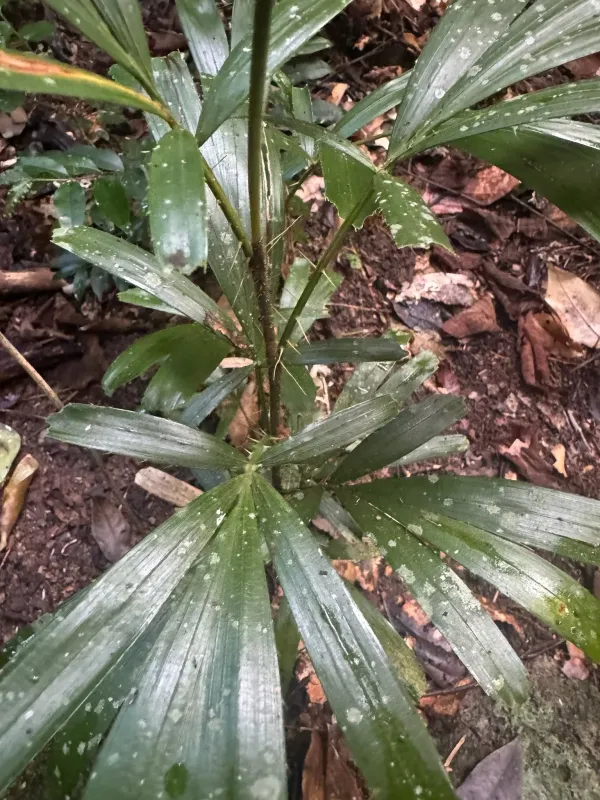
Description
Growing requirements
Calamus caryotoides is a species of rattan palm belonging to the Arecaceae family. Native to the rainforests of Queensland, Australia, this plant is naturally adapted to the understory, making it distinct from other climbing palms due to its smaller size and specific aesthetic qualities.
To cultivate this species successfully, it is essential to maintain a tropical climate. The plant thrives in temperature ranges between 20 and 28 degrees Celsius. Any significant drop in temperature or exposure to frost is detrimental, as the species lacks the hardiness required for temperate climates.
Soil requirements involve a well-drained, nutrient-rich substrate with a slightly acidic pH. The root system is sensitive to waterlogging, necessitating excellent drainage in pots or garden beds. Providing a mix of peat, bark, and perlite helps maintain the ideal moisture balance for healthy growth.
Agrotechnical practices focus heavily on humidity management. Ideally, the ambient humidity should be kept above 70 percent to prevent leaf desiccation. Bright, filtered light is preferred over direct exposure, as the thin leaflets of this palm are prone to scorching under intense sunlight.
Botanically, the plant is characterized by its clustered stems and fishtail-like leaflets, which give it a unique appearance. It is a slow-growing species compared to other commercial rattans, which makes it more suitable for horticultural and ornamental purposes rather than large-scale industrial harvesting of stems.
Main diseases and pests
Spider mites are the most prevalent pest for Calamus caryotoides, especially in controlled greenhouse environments with low humidity. Integrated pest management, including regular misting and biological control agents, is recommended to keep mite populations under control.
Root rot, often caused by Pythium or Phytophthora species, is a major threat resulting from overwatering or inadequate soil aeration. Sterilizing the substrate before planting and avoiding standing water are critical preventive measures.
Scale insects can infest the stems and undersides of leaves, causing significant nutrient loss and promoting the growth of sooty mold. Manual removal or application of horticultural oils is effective if the infestation is detected in the early stages.
Nutrient deficiencies, particularly iron or magnesium, can cause chlorosis. Foliar applications of chelated micronutrients can help restore the deep green coloration of the leaves if the soil pH is not optimal for absorption.
Viral pathogens may cause mosaic patterns on the foliage, which are irreversible. Prevention involves rigorous hygiene practices for tools and immediate removal of any symptomatic plants to prevent horizontal transmission within the population.