
Calamus caesius
Calamus caesius
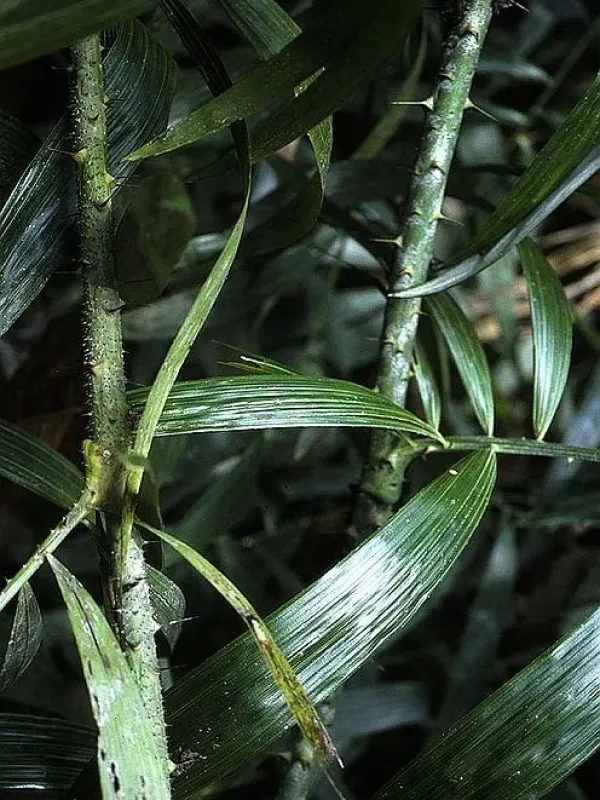
Description
Sowing dates
Propagation of Calamus caesius is primarily achieved through seeds, which must be sown immediately after harvest as they lose viability rapidly when dried. Fresh seed selection is crucial for a successful plantation.
Seed preparation involves soaking in warm water to soften the tough seed coat, which significantly improves the germination rate. Sowing is conducted in well-drained nursery containers under protected conditions.
Germination requires consistent temperatures between 25 and 30 degrees Celsius. Maintaining high humidity is essential for the delicate seedlings to develop successfully without desiccation.
Transplanting seedlings to individual pots occurs once they have developed two to three true leaves. After a hardening-off period, they are moved to their permanent outdoor location, usually at the onset of the rainy season.
Planting density varies by management objectives, but a spacing of 2 to 3 meters is standard to ensure adequate light exposure and air circulation for each individual plant.
Growing requirements
Calamus caesius is a climbing palm species from the Arecaceae family, naturally occurring in tropical rainforests. It thrives in environments with high humidity and consistent tropical temperatures.
The crop prefers fertile, alluvial soils that offer excellent drainage. Waterlogged soil conditions are detrimental to the root system and should be avoided when selecting land for cultivation.
This species requires partial shade during its juvenile stage to mimic the natural forest floor environment. As it matures, it can tolerate more light, provided there is adequate soil moisture.
Management involves regular weeding of the root zone during the first few years to minimize competition for nutrients and water. This is vital for the initial vigorous growth of the main stem.
Providing climbing support is essential for the growth habit of this palm. If the plant lacks vertical support, it will creep along the forest floor, which often leads to poor-quality stem development.
Yield
The primary economic output of Calamus caesius is its long, flexible stem, which serves as a premium raw material for the rattan furniture industry. The maturity cycle typically ranges from 7 to 10 years.
Yield is determined by the growth rate of the main stem, which can reach several meters annually under ideal conditions. Proper nutrition and site management significantly enhance overall biomass production.
Strategic pruning of lateral shoots is a common practice to encourage the plant to focus its energy on a single, thick, and durable primary stem, which is the most valuable part for craftsmen.
Harvesting is performed selectively based on diameter and length, ensuring that only stems meeting high industry standards for elasticity and strength are extracted from the site.
The total yield per hectare supports sustainable livelihoods and feeds into global supply chains for handicrafts, furniture, and various decorative household items.
Main diseases and pests
Calamus caesius is susceptible to various fungal pathogens that thrive in high humidity and stagnant air. These diseases often manifest as leaf spots and can severely stunt the plant's development.
Insects that target the terminal bud can cause significant damage, halting the stem growth. Integrated pest management, including the use of bio-rational pesticides, is recommended for plantation protection.
Small mammals and rodents may chew on the lower sections of the stems, rendering the material commercially useless. Installing protective barriers around young plants is a necessary prevention measure.
Environmental stress, such as prolonged drought, can weaken the palm's natural immunity, making it more susceptible to secondary infections and pests that thrive on weakened tissues.
Regular monitoring of the plantation is essential for early detection of problems, allowing for prompt interventions that can save the crop from extensive infection or damage.
Harvesting
Harvesting Calamus caesius involves specialized labor to cut the stems while avoiding the plant's sharp spines. The process requires care to ensure the fibrous structure remains intact for processing.
Once harvested, the stems are stripped of their leaf sheaths and thorns immediately in the field. This cleaning process makes the material easier to transport through dense forest areas.
After extraction, the stems are sorted by diameter and quality and then undergo a drying process. Proper moisture control is essential to prevent mold growth and ensure the durability of the rattan.
Storage facilities must be well-ventilated to maintain the quality of the raw material before it is sent to furniture factories for further processing and finishing.
The final rattan product is prized globally for its balance of high tensile strength and flexibility, making it a cornerstone of the traditional and modern interior design industry.