
Bismarck palm
Bismarckia
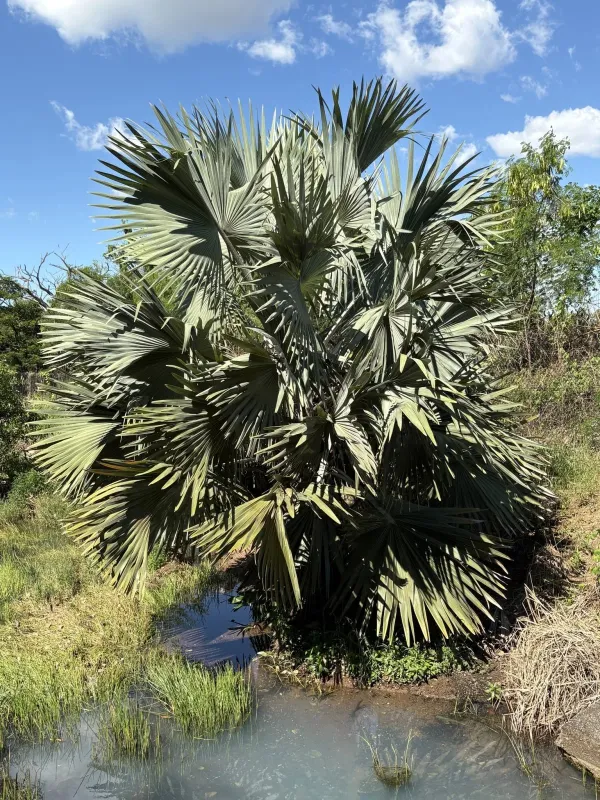
Description
Sowing dates
Bismarckia nobilis is propagated exclusively by seeds, as it is a single-stemmed palm that does not produce offshoots or suckers.
For the best germination results, seeds should be sown fresh, immediately after removing the outer fleshy pulp of the fruit.
The germination period can be quite long, typically ranging from one to three months depending on the consistency of the heat provided.
A stable temperature between +28°C and +32°C (82°F – 90°F) is essential for activating the dormant embryo within the seed.
Using bottom heat and a well-draining, sterile germination mix helps to achieve high viability rates and stronger initial seedling development.
Growing requirements
The Bismarck palm belongs to the Arecaceae family and is native to the savannas and open woodlands of Madagascar.
This species is well-known for its impressive size and striking silver-blue, fan-shaped fronds that can span up to three meters in width.
It requires full sun exposure to maintain its vibrant color and sturdy structure; in shaded environments, the plant becomes leggy and loses its aesthetic appeal.
The species thrives in deep, well-draining soils and is remarkably drought-tolerant once it has become established in the landscape.
Due to its lack of cold hardiness, it is cultivated primarily in tropical and subtropical regions, or in climate-controlled environments in cooler zones.
Main diseases and pests
The most common pests affecting this palm are scale insects and mealybugs, which tend to congregate on the leaf bases and young fronds.
Poor soil drainage and overwatering are the primary factors leading to root rot, which is often fatal if not diagnosed in the early stages.
Fungal leaf spot diseases can develop in areas with high humidity, lack of air circulation, or overhead irrigation that keeps the foliage wet for too long.
Management practices should include regular monitoring for infestations and the application of systemic pesticides when pest populations are identified.
Maintaining proper plant spacing and ensuring good airflow are critical cultural practices for preventing the spread of fungal and bacterial pathogens.