
Balaka palm
Balaka seemannii
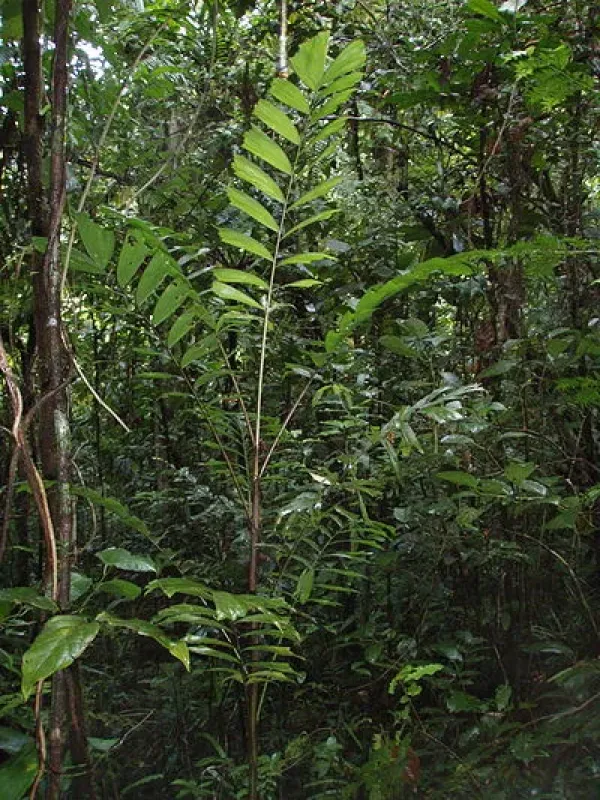
Description
Growing requirements
Balaka seemannii, commonly known as the Balaka palm, belongs to the Arecaceae family. It is a stunning tropical palm native to the Fiji Islands, where it thrives in the humid, shaded environments of the forest floor.
Cultivation requires a rich, well-draining soil mix that remains consistently moist without becoming waterlogged. The root system is delicate and prone to rot if exposed to standing water for extended periods.
This species demands bright, filtered light to maintain its vibrant foliage color. In indoor settings, placing the plant near an east-facing window or providing sheer curtains can protect it from intense, direct sunlight.
Temperature management is crucial, as the Balaka palm prefers warmth ranging from 20 to 28 degrees Celsius. Cold drafts or sudden drops in temperature can cause leaf yellowing and structural damage to the plant.
High relative humidity is essential for the health of Balaka seemannii. Regular misting, the use of pebble trays with water, or automated humidifiers are recommended practices to replicate its natural tropical habitat.
Main diseases and pests
The most common pest for this palm is the spider mite, which thrives in low-humidity environments. Regularly inspecting the leaves and keeping the air humid is the best defense against these microscopic pests.
Scale insects can also colonize the stalks and undersides of leaves, draining sap and weakening the plant. Using neem oil or mild horticultural soaps is an effective way to manage these infestations safely.
Root rot is the primary disease risk associated with overwatering. If the soil remains saturated, the roots will suffer from oxygen deprivation, leading to fungal decay and ultimately the death of the palm.
Leaf spot diseases can occur if there is poor air circulation or if water droplets remain on the foliage for too long. Improving ventilation and watering the soil directly rather than the leaves helps mitigate this issue.
Proper nutritional balance is key to resilience. Regularly apply a slow-release fertilizer high in potassium and magnesium to support strong cell structure and prevent common chlorosis in palm leaves.