
Cuban bactris
Bactris cubensis
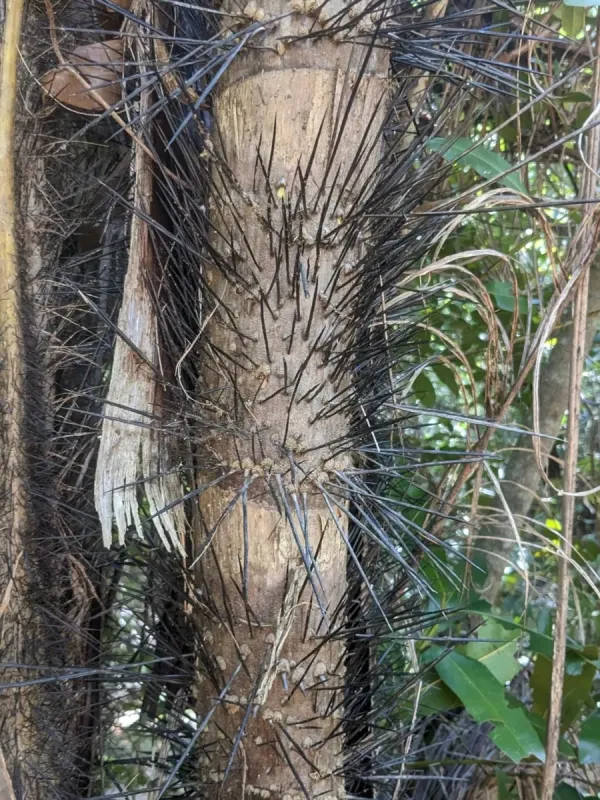
Description
Growing requirements
The Cuban bactris is a distinctive member of the Arecaceae family, endemic to the island of Cuba. This species thrives in tropical environments characterized by high humidity levels and consistent, warm temperatures throughout the entire year, reflecting its natural forest habitat.
For successful cultivation, the plant requires a well-draining, nutrient-rich growing medium. It is essential to ensure that the soil remains moist but never waterlogged, as the root system is highly susceptible to decay if exposed to stagnant moisture conditions.
Regarding light requirements, the Cuban bactris performs best in bright, indirect light. While mature specimens may tolerate higher light intensity, young plants require protection from direct sunlight to prevent leaf scorch and ensure the healthy development of their foliage.
Agricultural management for this species focuses on maintaining a steady climate. When grown in controlled environments, it is crucial to avoid cold drafts and ensure temperatures do not drop below the critical threshold, which could severely inhibit the plant's metabolic functions.
In terms of usage, the Cuban bactris is primarily held in high regard by botanical gardens and plant enthusiasts for its unique morphological structure. It serves as a valuable subject for scientific study and the conservation of rare island biodiversity.
Main diseases and pests
The primary threats to this palm include various fungal infections, often triggered by improper humidity management or lack of adequate air circulation. Root rot is a significant risk that can prove fatal if not identified and treated in the early stages.
Pests such as scale insects and spider mites are frequent invaders, particularly in indoor cultivation scenarios. These organisms feed on the sap of the plant, weakening it over time and leaving the foliage prone to further damage or secondary viral infections.
Preventative measures include regular inspection of leaf surfaces and maintaining a clean growing area. If an infestation occurs, horticultural oils or appropriate systemic pesticides should be applied according to the specific needs of the plant.
Over-fertilization can also lead to weakened tissue, making the palm more vulnerable to pest attacks and disease progression. A balanced, slow-release fertilizer is generally recommended to provide consistent nutrition without causing stress to the plant.
Ultimately, long-term success with this species depends on attentive monitoring and the maintenance of a stable, clean, and well-ventilated environment. Removing dead or damaged fronds is essential for maintaining the overall health and vigor of the Cuban bactris.