
Attalea microcarpa
Attalea microcarpa
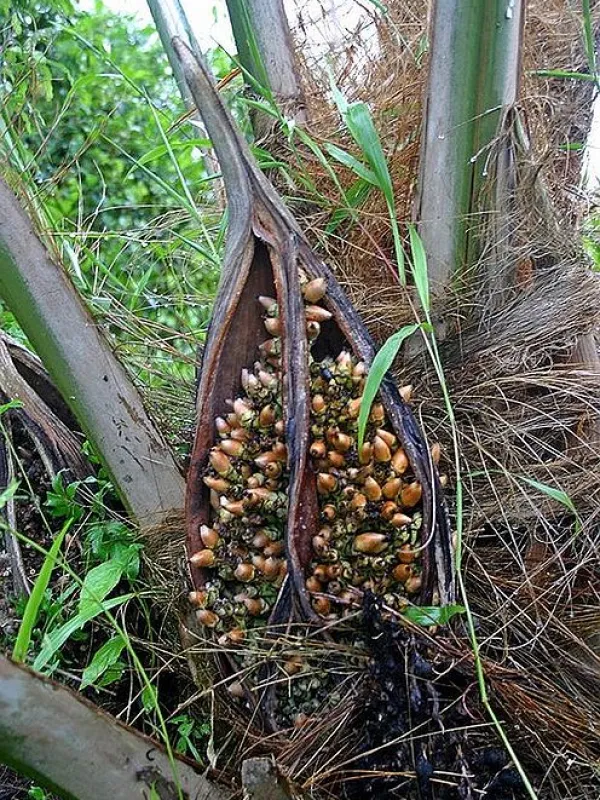
Description
Growing requirements
Attalea microcarpa is a perennial palm species belonging to the Arecaceae family, naturally occurring in the tropical rainforests of South America, primarily within the Amazon basin.
The species thrives in warm, humid climates with temperatures consistently ranging between 24 and 30 degrees Celsius, requiring a frost-free environment throughout the year.
It prefers deep, well-drained loamy soils rich in organic matter, which are typical of its native tropical habitats, supporting robust root development.
High levels of atmospheric humidity and consistent annual rainfall are essential for the plant to maintain its physiological functions and achieve optimal growth rates.
Proper plantation management involves ensuring adequate spacing between individual trees to prevent competition for sunlight and essential soil nutrients during the maturation stage.
Yield
The primary economic value of Attalea microcarpa lies in its fruit, which serves as a significant source of vegetable oils utilized in both food processing and industrial sectors.
The plant produces heavy, dense clusters of small drupes that are harvested once they reach physiological maturity, indicating high oil content in the seeds.
Yield efficiency is heavily influenced by pollination success, soil nutrient availability, and the maintenance of a consistent moisture regime during the fruiting season.
By-products such as seed cake are frequently repurposed as high-protein animal feed, contributing to the overall economic sustainability of palm cultivation practices.
Ongoing agricultural research focuses on improving fruit quality and yields through selective breeding and optimized plantation management techniques.
Main diseases and pests
Root rot caused by pathogenic fungi is a major concern, particularly in areas with poor drainage or chronic waterlogging, which weakens the palm's structural integrity.
Pests such as palm weevils pose a severe threat, as their larvae bore into the apical meristem or trunk, often resulting in total tree failure if not detected early.
Leaf-feeding insects can significantly reduce the photosynthetic capacity of the palm, leading to stunted growth and reduced fruit yield over successive seasons.
Integrated pest management, including regular monitoring and the use of targeted biological controls, is vital for maintaining plantation health and minimizing chemical use.
Sanitation practices, including the removal of dead fronds and debris, help prevent the establishment of pest breeding grounds within the managed palm ecosystem.
Harvesting
Harvesting involves the precise removal of mature fruit clusters from the tree, a task often performed manually or with mechanical assistance due to the height of mature palms.
Timing is critical; harvest must occur when fruit maturity is optimal to maximize oil yield and ensure the highest quality of the final extraction product.
Immediate post-harvest processing is required to prevent fermentation or oxidation, which can compromise the chemical composition and value of the extracted oils.
Modern harvesting logistics utilize organized systems to transport fruit from the plantation to processing facilities as quickly as possible to minimize post-harvest loss.
Standardized harvest protocols are employed to sort fruits by maturity levels, ensuring consistent results during the mechanical pressing and refining stages.