
Attalea maripa
Attalea maripa
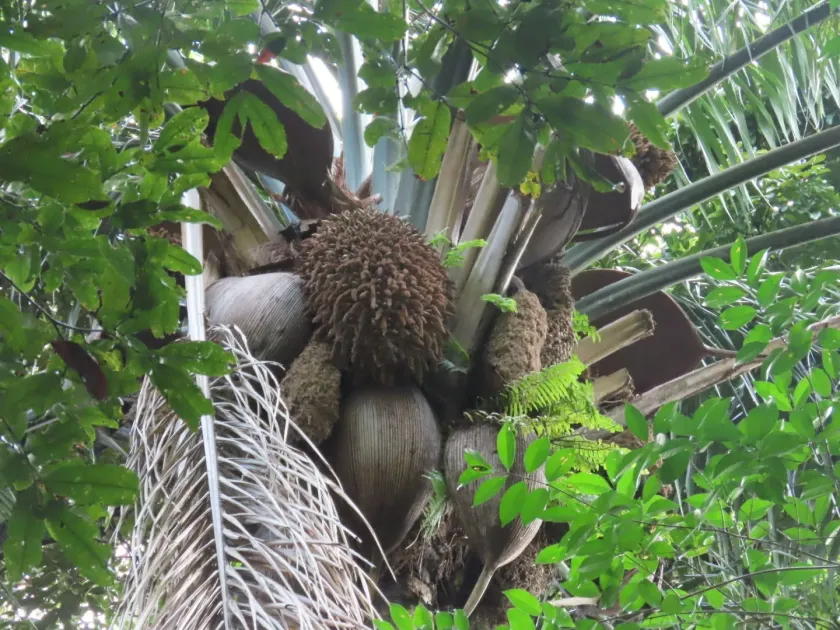
Description
Growing requirements
Attalea maripa is a prominent member of the Arecaceae family. Native to the tropical regions of South America, specifically the Amazon basin, this palm thrives in diverse forest habitats ranging from alluvial plains to well-drained hillsides.
This crop requires a humid tropical climate characterized by consistently high temperatures and significant annual rainfall. It does not tolerate frost or cold stress, which defines its geographic range to equatorial and near-equatorial zones.
Botanically, it is a robust palm with a tall, single stem and large, pinnate leaves that can span several meters. Its root system is deep and expansive, providing stability and access to deep-seated moisture during occasional dry spells.
Ideal soil conditions include well-draining loamy or sandy-clay soils rich in organic matter. While it enjoys high atmospheric humidity, it is intolerant of waterlogged soil conditions, which can lead to root rot and stunted growth.
Effective agronomic practices involve managing light availability for younger palms and ensuring adequate spacing in plantations to minimize competition for nutrients and solar radiation.
Yield
The primary agricultural utility of Attalea maripa lies in the production of high-quality vegetable oil derived from its fruits. The nuts contain endosperm rich in fatty acids, which are valued for both nutritional and cosmetic applications.
Harvesting involves the collection of large fruit bunches. The timing of the harvest is critical to ensuring maximum oil yield and quality, as peak maturity levels influence the chemical composition of the oil extracted.
Post-harvest processing includes deshelling and mechanical extraction of the oil. Industrial refinement ensures the product meets safety and quality standards for global export or local consumption.
In addition to oil, the fiber of the palm leaves and other biomass can be utilized in small-scale rural industries, including the production of textiles, construction materials, and biofuels.
Yield stability is highly dependent on the maintenance of soil fertility and regular pest management programs, allowing mature plantations to produce consistent annual harvests for decades.
Main diseases and pests
The palm is susceptible to various pests, including curculionid beetles (weevils), which can damage the growing tip and fruit bunches. Integrated pest management (IPM) is essential to minimize harvest losses.
Fungal pathogens represent a significant threat, particularly in environments with poor air circulation and excessive humidity. These infections can impact both the vegetative growth and the productivity of the flower clusters.
Invasive weeds and competitive woody vines pose a threat to young seedlings and saplings by restricting their access to light and essential soil resources, necessitating regular manual or mechanical weeding.
Soil depletion due to continuous harvesting without nutrient replacement can lead to long-term decline in palm health, emphasizing the need for sustainable fertilization practices.
Physical injuries to the trunk during harvesting or maintenance work provide entry points for secondary infections, making careful handling and proper sanitation techniques vital for the longevity of the stand.