
Attalea exigua
Attalea exigua
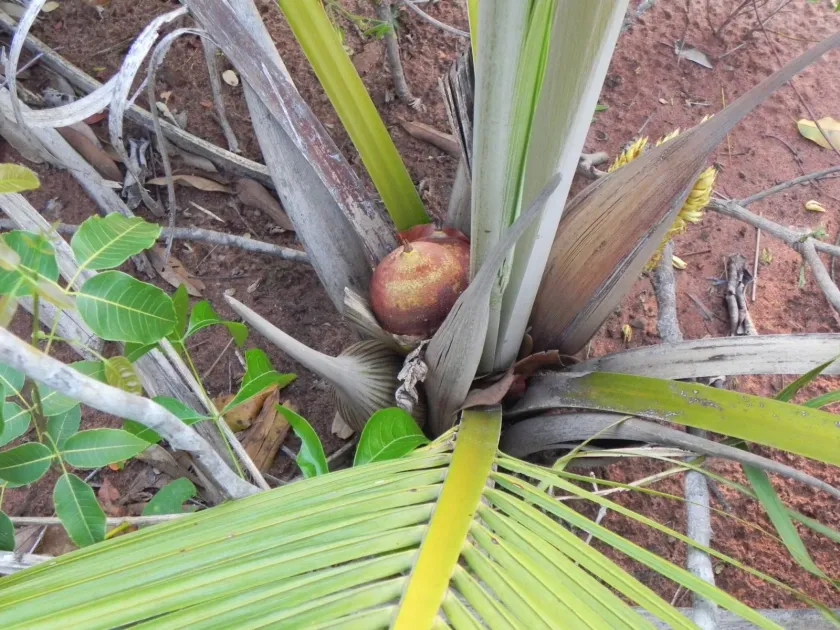
Description
Growing requirements
Attalea exigua is a small species of palm belonging to the Arecaceae family. It is natively found in the Brazilian savannas, known as the cerrado, where it has evolved to thrive in harsh, seasonal tropical environments.
This palm prefers well-drained, sandy, or rocky soil types that allow for proper root aeration. It is notably resistant to seasonal water shortages, making it a hardy plant in its natural range compared to many other tropical palms.
High levels of solar radiation are necessary for the development of Attalea exigua. As a sun-loving plant, it performs best in open habitats where it does not compete with larger trees for light exposure.
Botanically, it is defined by a short, often subterranean stem and long, feathery leaves. These features protect the plant's sensitive growth meristem from frequent savanna fires and grazing pressure.
When cultivating this species, growers must maintain proper spacing to prevent overcrowding and ensure that the plant has access to nutrients. Although slow-growing, it is a resilient crop when provided with adequate initial care.
Harvesting
The primary agricultural output of Attalea exigua consists of its oil-rich seeds. Harvest occurs when the fruits reach maturity, falling naturally or being manually gathered from the base of the plant.
The oil extracted from these seeds is utilized in various sectors, including the food industry and the production of cosmetics. The quality of the oil is often comparable to other commercially important palm oils.
Besides oil production, other parts of the plant are used in rural areas. The leaves, being sturdy and fibrous, are traditionally used for thatch roofing and weaving various household tools or decorative items.
Post-harvest management is crucial, as the seeds must be dried or processed promptly to maintain the integrity of the fatty acids within the kernels. Proper storage facilities are essential for large-scale operations.
Ongoing agricultural interest focuses on the potential for more intensive management of wild populations. By implementing sustainable harvesting practices, farmers can increase yield while preserving the natural ecosystem of the cerrado.