
Attalea dubia
Attalea dubia
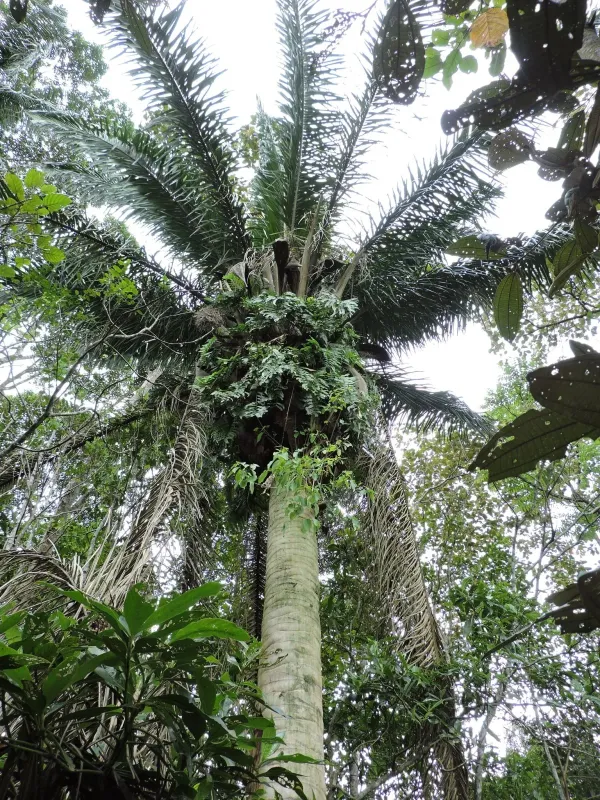
Description
Growing requirements
Attalea dubia is a perennial tree-like plant belonging to the Arecaceae (palm) family. This species is native to the tropical forests of South America, specifically the Atlantic forests of Brazil, where the environment is characterized by high humidity and warm temperatures throughout the entire year.
The plant grows as a large palm featuring a sturdy trunk and feathery fronds that can grow several meters in length. Botanically, it is adapted to the lower and mid-canopy layers of the rainforest, meaning that while it can tolerate shade as a juvenile, it requires significant sun exposure to reach its full productive capacity as an adult.
For successful cultivation, Attalea dubia requires fertile, well-drained soils rich in organic matter. Despite its natural preference for high humidity, the palm is highly sensitive to waterlogged roots, so site selection must prioritize excellent drainage to avoid soil saturation and subsequent root issues.
The climate is the most restrictive factor for this species, as it cannot survive frosts or temperatures falling below 10–12°C. Consequently, commercial plantations are restricted to true tropical zones where seasonal thermal fluctuations are minimal and rainfall is sufficient to support consistent growth.
Good agricultural practice for this palm involves regular fertilization during the active growing season to support the formation of its large leaf biomass. Plantations must be managed with proper spacing to ensure adequate light and nutrient availability for each individual plant, reducing competition.
Yield
The economic value of Attalea dubia lies in its fruit, which serves as a notable source of plant-based oils. In traditional and small-scale agriculture across its native range, the harvesting of these fruits represents an important income stream for local farming communities.
The fruits, known as drupes, are rich in fatty acids. The extracted oil is utilized in various industries, including food processing, cosmetics, and technical manufacturing, thanks to its specific chemical profile. The yield volume depends heavily on the maturity of the tree and the management of the plantation.
Productivity stabilizes as the palm matures, and with proper care, an Attalea dubia plantation can provide consistent yields for several decades. This longevity makes the palm a strategic long-term asset for tropical farmers who invest in sustainable cultivation techniques.
Processing the raw fruit involves mechanical extraction of the oil from the mesocarp and kernel. Modern technological advances in processing have significantly increased the efficiency of oil extraction, minimizing post-harvest losses and ensuring the high quality of the final product intended for the market.
In addition to the valuable oil, the fibrous by-products of the plant can be repurposed for craft manufacturing or as organic mulch. This multi-purpose utility enhances the overall sustainability and profitability of Attalea dubia, making it a valuable crop for diverse agricultural systems.
Main diseases and pests
The main threats to the health of the culture are pests commonly associated with tropical palms. Weevils and specific lepidopteran larvae are particularly dangerous, as they can bore into the growing points of the tree, potentially leading to plant death and significant losses for plantation owners.
Fungal diseases are a major concern, particularly in environments with poor air circulation or excess moisture, which can trigger root rot. To mitigate these risks, agronomists recommend maintaining strict sanitation protocols and ensuring that soil aeration is prioritized during the initial site preparation.
Climatic stress, such as prolonged droughts, weakens the tree's immune system, making it highly susceptible to secondary infections. Implementing reliable irrigation systems for use during dry spells is therefore a critical component of crop protection and essential for maintaining long-term productivity.
In its native habitat, competition from invasive vines and secondary vegetation can suppress the growth of young palms. In managed agricultural settings, this is addressed through proactive weed control in the tree rows, allowing the young plants to establish themselves without the pressure of competing flora.
Integrated Pest Management (IPM) is the standard approach for protecting Attalea dubia plantations. By combining biological monitoring and targeted, environmentally friendly interventions, farmers can effectively control pest populations while maintaining the ecological integrity of the farm environment.