
Astrocaryum sciophilum
Astrocaryum sciophilum
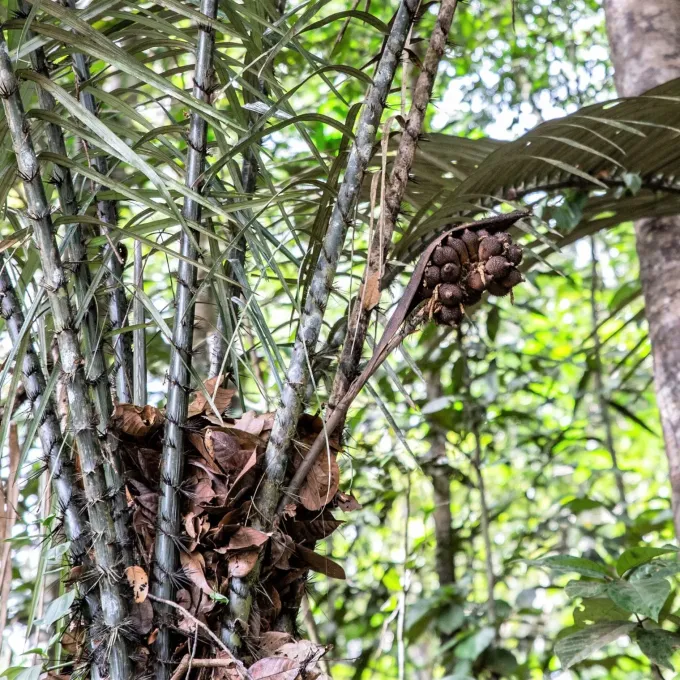
Description
Growing requirements
Astrocaryum sciophilum is a distinct species belonging to the Arecaceae family, naturally occurring in the understory of tropical rainforests in South America.
This palm species is highly adapted to low-light environments and thrives best in shaded conditions, avoiding direct sunlight which can cause leaf burn.
The cultivation of this plant requires a tropical climate with high ambient humidity and consistently warm temperatures, generally ranging between 22 and 28 degrees Celsius.
The soil should be rich in organic matter, well-draining, and slightly acidic to neutral in pH to support the healthy development of its root system.
Adequate air circulation is essential, though it must be balanced with humidity maintenance to prevent the palm from experiencing physiological stress.
Main diseases and pests
Fungal root rots constitute a primary threat to Astrocaryum sciophilum, typically resulting from waterlogged soil conditions and poor aeration.
Spider mites are common pests that target the foliage, especially in environments where air humidity is allowed to drop below optimal levels for extended periods.
Mealybugs can also infest the plant, settling in the axils of leaves and causing stunted growth if not addressed with appropriate systemic insecticides.
Scale insects present a risk, as they attach to the leaves and stems, debilitating the plant by extracting essential sap and nutrients.
Integrated pest management, including regular inspection and the use of horticultural oils, is recommended to keep these threats under control.