
Astrocaryum mexicanum
Astrocaryum mexicanum
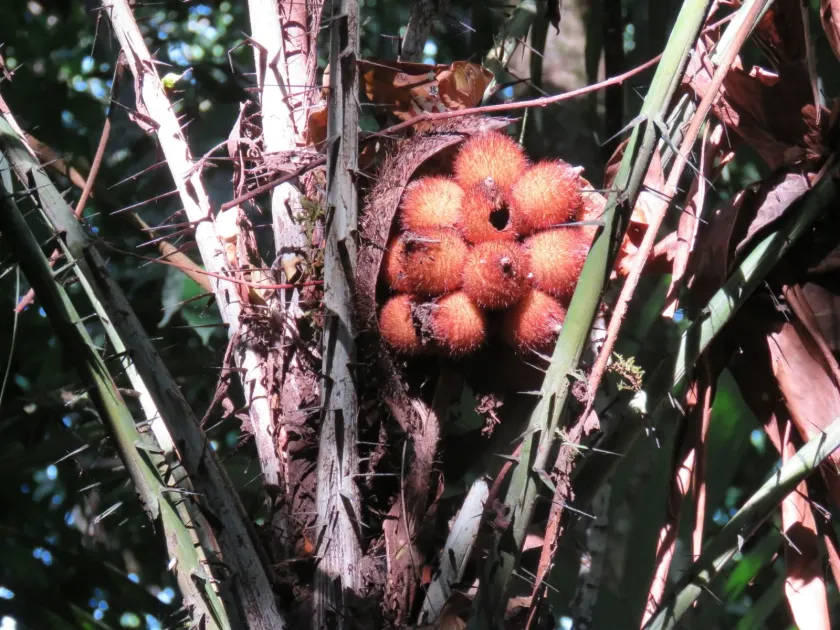
Description
Growing requirements
Astrocaryum mexicanum is a distinct species of palm belonging to the Arecaceae family. It is native to the tropical rainforests of Mexico and Central America, where it thrives in the understory of dense forests.
The plant requires high humidity levels and consistent tropical temperatures to maintain its growth cycles. It is not cold-hardy and requires a controlled environment if grown outside its natural range.
Soil requirements center on well-draining, nutrient-rich substrates, often enriched with organic matter. Proper drainage is essential, as the palm does not tolerate waterlogged conditions that lead to root death.
Regarding lighting, the palm prefers partial shade or dappled light. Intense direct sunlight should be avoided to prevent foliar scorching and dehydration of the delicate fronds.
Cultivation practices involve regular fertilizing with balanced liquid fertilizers during the active growing season, accompanied by consistent watering to keep the substrate slightly moist.
Main diseases and pests
Root rot is the most common pathology in Astrocaryum mexicanum, usually triggered by overwatering and poor aeration of the soil substrate. This disease is often fatal if not diagnosed early.
Spider mites are the primary pests encountered in indoor or greenhouse cultivation. They thrive in dry conditions and can cause significant damage to the palm's foliage if not managed effectively.
Mealybugs and scale insects may also infest the base of the petioles. These pests deplete the plant's resources and can lead to secondary fungal infections due to the honeydew secretion.
Leaf spot diseases, caused by various fungal pathogens, may occur if the ambient humidity is too high without adequate air circulation. This results in unsightly necrotic spots on the leaves.
Integrated pest management, including manual cleaning of leaves and the application of appropriate acaricides or systemic insecticides, is recommended to keep the palm healthy.