
Astrocaryum malybo
Astrocaryum malybo
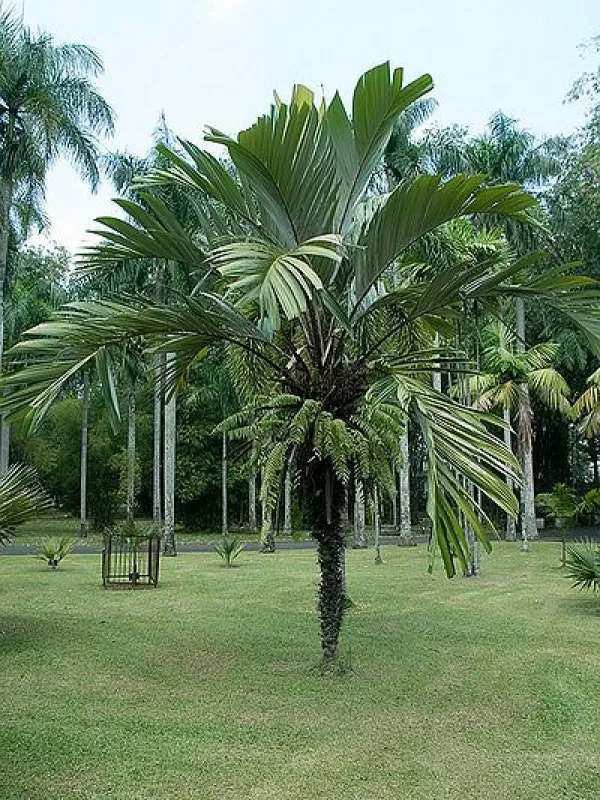
Description
Growing requirements
Astrocaryum malybo is a species of monocot plants belonging to the Arecaceae family. This crop grows in the humid tropical forests of South America, preferring soils rich in organic matter and high rainfall levels.
The plant has increased temperature requirements: it cannot tolerate even short-term frosts and needs a consistently warm climate with temperatures above 20-25 degrees Celsius.
Successful growth requires high air humidity and protection from direct sunlight during the first years of life, as in its natural habitat, young specimens develop in the understory.
Soil substrates must have excellent drainage, as water stagnation at the roots is fatal for this palm. The best choice is a light loam or a specialized mix for decorative palms with the addition of sand and vermiculite.
In industrial or hobby cultivation, regular feeding with complex mineral fertilizers containing high doses of magnesium and potassium is essential to maintain the rich color of the pinnate leaves.
Yield
The economic use of Astrocaryum malybo focuses primarily on extracting vegetable oil from the seeds and obtaining strong fibers from the leaves. In productive years, one mature tree can yield a significant quantity of drupe fruits.
Harvesting takes place after full ripening, when the outer shell acquires its characteristic color. Productivity depends on the age of the palm and adherence to proper planting density on the plantation.
Processing the seeds requires specialized equipment to separate the endosperm, which is rich in valuable fatty acids widely used in the region's cosmetic and food industries.
Fibers obtained from the petioles and young leaves are characterized by high tensile strength and resistance to decay, making them an indispensable raw material for the production of fishing nets and high-quality ropes.
Total product yield correlates directly with the intensity of agricultural measures, including periodic loosening of the tree rings and removal of old, dead leaf blades.
Main diseases and pests
The greatest danger to young plants comes from fungal diseases of the root system, which develop with excessive watering. Prevention consists of monitoring soil moisture and using fungicidal agents at early stages of infection.
Among pests, various species of palm weevils stand out, capable of causing irreparable damage to the growth point. Monitoring insect populations is mandatory throughout the entire growing season.
Spider mites can attack the crop in conditions of low air humidity, causing yellowing and premature leaf fall. Systemic acaricides are used for control.
Scale insects and mealybugs are also typical pests of this palm, settling in the leaf axils. Regular cleaning of the leaf surface and the use of soap solutions help reduce the risk of their spread.
Comprehensive protection of plantings includes not only chemical treatment but also strict adherence to sanitary standards, including the timely disposal of infected plant debris.