
Astrocaryum chambira
Astrocaryum chambira
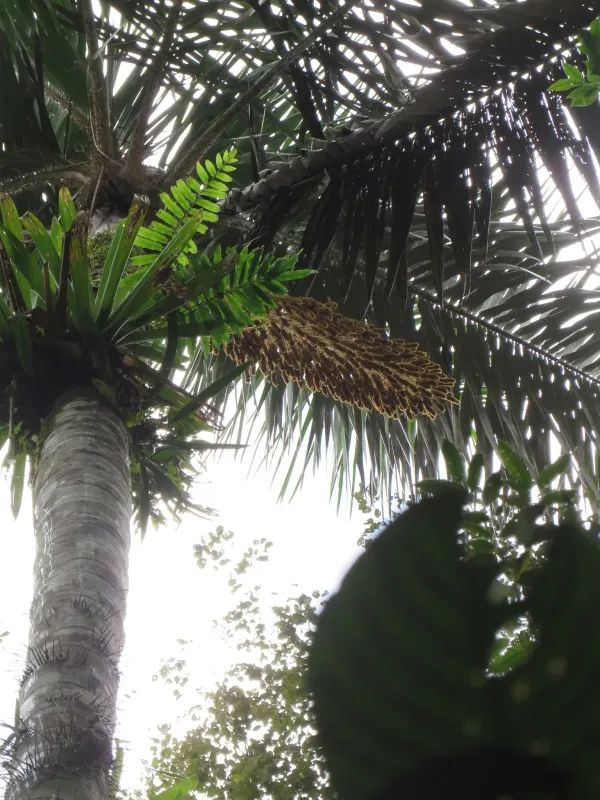
Description
Growing requirements
Astrocaryum chambira is a robust palm species belonging to the Arecaceae family, native to the tropical rainforests of the Amazon basin in South America.
This species thrives in high-humidity environments with consistent tropical temperatures, typically found in alluvial soils near riverbanks and lowland areas.
The plant requires deep, fertile, and well-drained soil to support its significant vertical growth, which can reach heights of 10 to 15 meters.
Botanically, it is identified by its solitary, spiny trunk and long, pinnate leaves that are highly valued for their durable vascular bundles used as fiber.
Successful cultivation involves maintaining an appropriate canopy cover for young saplings, as they are sensitive to intense direct sunlight during their early developmental stages.
Yield
The primary agricultural output of this palm is its exceptionally strong fiber, harvested from young, unopened leaves and processed into high-quality textiles.
Apart from fiber, the palm produces energy-rich fruits that are consumed locally and contain oils suitable for dietary and industrial applications.
Sustainable harvesting of the leaves is critical; it must be performed in a manner that does not stunt the palm's long-term growth or future reproductive capacity.
Hand-weaving techniques utilized by indigenous communities turn this natural fiber into premium goods, such as hammocks, handbags, and artistic crafts.
Efficient yield management is achieved through systematic pruning, which promotes the growth of new, high-quality leaves suitable for fiber extraction.
Main diseases and pests
Root rot caused by stagnant water and poor soil aeration represents the most significant fungal threat to Astrocaryum chambira plantations.
Palm weevils are the most destructive insect pests, as they bore into the trunk and soft tissues, often resulting in the structural collapse of the palm.
Fungal leaf spots can diminish fiber quality, necessitating clear maintenance practices and the prompt removal of infected foliage to prevent spread.
Lack of biodiversity in monoculture settings can increase the incidence of pests, making the integration of agroforestry techniques highly advisable for long-term health.
Protecting the harvest from damage during the manual collection process is essential to prevent secondary infections that can weaken the overall vitality of the tree.