
Astrocaryum alatum
Astrocaryum alatum
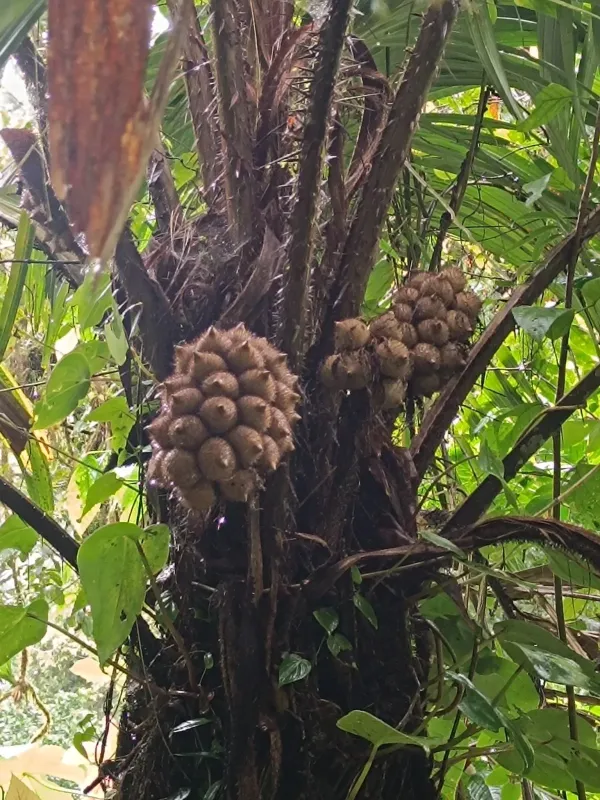
Description
Growing requirements
Astrocaryum alatum is a distinct palm species belonging to the Arecaceae family. Native to the tropical rainforests of Central America, particularly regions of Costa Rica and Panama, this plant serves as a significant component of the lower forest canopy.
The botanical structure of this palm is characterized by its spiny trunk and elongated, feathery fronds. It is a perennial plant known for its adaptability to shaded environments, often growing in the understory of dense tropical forests.
Cultivation of this species requires a strictly tropical climate with consistent temperatures. It does not tolerate frost or cold stress, making greenhouse or conservatory environments essential for growth in non-tropical regions.
Soil requirements involve a deep, organic-rich, and well-draining substrate. Because of its native environment, the soil must retain moisture without becoming waterlogged, as poor drainage is the primary cause of root failure.
Agronomic management includes maintaining high relative humidity and providing periodic fertilization with palm-specific micronutrients. Proper sunlight management is crucial to ensure foliage health and to prevent growth stagnation.
Main diseases and pests
The primary threat to the health of Astrocaryum alatum is root rot, typically caused by excessive irrigation or a low-temperature environment that prevents proper moisture evaporation from the soil profile.
Scale insects and mealybugs are the most common pests affecting this palm. These sap-sucking insects cluster on the petioles and leaf bases, causing yellowing and stunted growth if left unmanaged by appropriate insecticides.
Spider mites pose a significant risk in indoor environments with low humidity levels. These pests thrive in dry air, leading to fine webbing and the eventual bronzing or necrosis of the leaf leaflets.
Fungal infections can occur in high-humidity environments that lack sufficient air circulation. Improving ventilation around the canopy is a standard and effective preventive measure against various foliar pathogens.
Nutrient deficiencies, particularly involving magnesium or potassium, may manifest as leaf chlorosis. Consistent soil testing and corrective fertilization are vital to maintaining the structural integrity and aesthetic value of the palm.