
Tucuma
Astrocaryum aculeatum
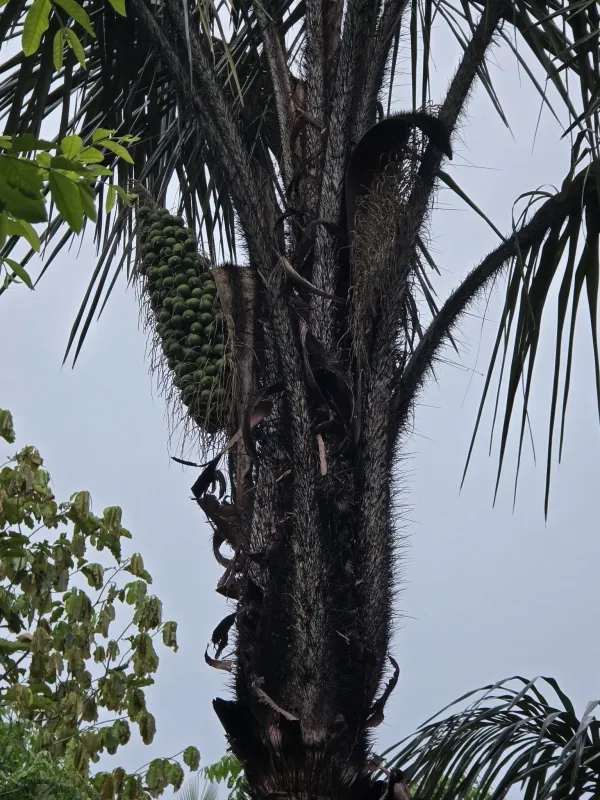
Description
Growing requirements
Tucuma (Astrocaryum aculeatum) is a majestic palm tree belonging to the Arecaceae family. Native to the Amazon rainforest, it is well-adapted to the high-humidity, high-temperature conditions of tropical climates.
The tree thrives in regions with abundant rainfall, showing optimal growth when temperatures remain consistently between 24 and 30 degrees Celsius. It is highly intolerant to cold temperatures and frost.
Regarding soil requirements, the species prefers deep, well-drained loamy soils. Good aeration is essential, as waterlogged soil can lead to root decay and significant growth suppression, especially in juvenile plants.
Tucuma palms are sun-loving organisms. In plantation settings, maintaining adequate spacing is vital to ensure each tree receives sufficient sunlight, which directly influences both vegetative growth and fruit production.
Agronomic management includes maintaining a clean environment around the base of the palm. While the plant can tolerate short intervals without rain, maintaining soil moisture is key to maximizing yields during the fruiting season.
Yield
The fruit of the tucuma is a drupe, which is widely recognized for its high nutritional value. It is rich in carotenoids, particularly beta-carotene, and contains essential fatty acids, making it a valuable resource for health-conscious markets.
Economically, the tree is dual-purpose. The fruit pulp is consumed fresh or used in culinary applications, while the seeds yield high-quality oil used in the cosmetic and skincare industries for its moisturizing properties.
Productivity increases significantly as the palm reaches maturity. Growers typically see the start of meaningful harvest yields around the fifth to seventh year after planting, provided that maintenance practices are followed.
Beyond the fruit, the wood of the palm is extremely hard and durable, historically used for crafting implements and construction. The fibers from the leaves also possess strong tensile properties for weaving.
Modern research focuses on optimizing harvesting techniques to ensure fruit quality and extending shelf life post-harvest. Improving efficiency in extraction processes remains a priority for the commercial tucuma industry.
Main diseases and pests
The tucuma palm faces pressure from various insect pests, particularly beetles that bore into the trunk or the crown of the tree. These pests can cause extensive structural damage if left unchecked by plantation management.
Fungal pathogens represent a major threat in humid tropical conditions. They can infect the root system or the leaves, especially if plantation density is too high or if air circulation is insufficient within the canopy.
Nutrient deficiency is another common issue that weakens the palm's natural defense systems. A structured fertilization program based on periodic soil testing is recommended to ensure robust tree health and high productivity.
Weed management is critical for the establishment phase. Weeds compete for nutrients and water, and they can harbor various pests that target the palm. Mulching is an effective strategy to suppress weeds while retaining soil moisture.
Integrated pest management (IPM) is the most sustainable approach for protecting tucuma plantations. This includes biological controls and early detection methods to minimize reliance on heavy chemical interventions.