
Orange crownshaft palm
Areca vestiaria
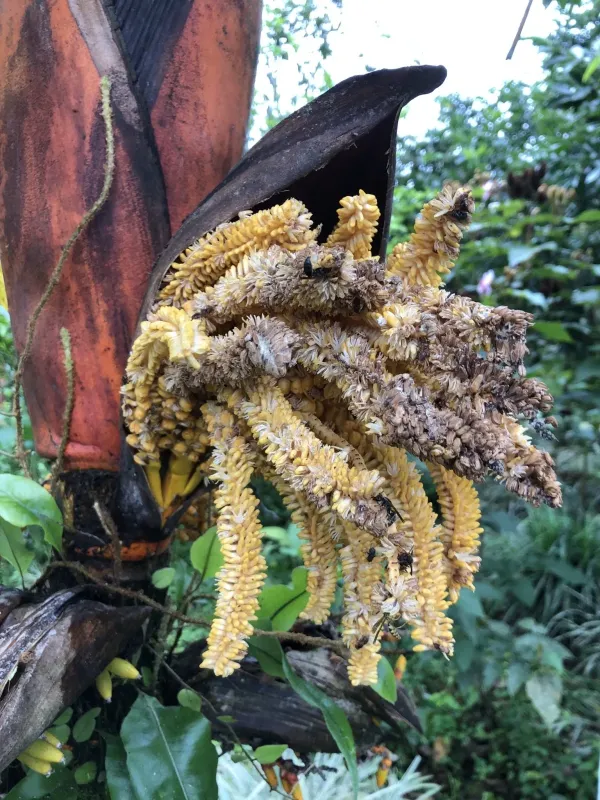
Description
Growing requirements
Areca vestiaria, commonly known as the orange crownshaft palm, belongs to the Arecaceae family and is native to the Indonesian islands. It is highly valued in horticulture for its vibrant, orange-colored crownshaft, which provides a striking contrast to its dark green fronds.
This species thrives in high-humidity environments and requires temperatures consistently between 22 and 28 degrees Celsius to maintain healthy growth. It is intolerant of frost and cold winds, necessitating protected cultivation in regions with temperate climates.
Soil requirements for Areca vestiaria include a well-draining, nutrient-rich substrate composed of peat moss, perlite, and organic humus. The palm demands stable moisture levels in the root zone, but it cannot tolerate waterlogging, which necessitates excellent drainage holes in the container.
Regarding light exposure, the orange crownshaft palm prefers bright, dappled sunlight or partial shade. Exposure to intense, direct afternoon sun can damage the foliage, leading to yellowing or scorching of the leaves, which detracts from its overall aesthetic value.
Regular fertilization during the growing season with a palm-specific liquid feed is essential for maintaining deep green leaf color. Micronutrients, especially magnesium and potassium, should be monitored, as their deficiency can cause premature leaf senescence in this species.
Main diseases and pests
Spider mites are a major threat to Areca vestiaria, especially in environments where air humidity is poorly controlled. These small pests colonize the undersides of the leaves, causing stippling and eventual leaf drop if left untreated by appropriate acaricides.
Scale insects frequently target the crownshaft and leaf bases, feeding on plant sap and weakening the palm's vigor. Manual removal combined with the application of horticultural oils or systemic insecticides is the standard practice for controlling these persistent pests.
Root rot caused by Phytophthora or Pythium species is a common result of overwatering and compacted soil. Once the roots are compromised, the plant often fails to recover, making prevention through controlled irrigation the most effective management strategy.
Leaf spot diseases can occur if water remains on the fronds for extended periods without adequate air circulation. Keeping the foliage dry and improving ventilation around the palm helps to mitigate the risk of fungal outbreaks in humid conditions.
Integrated pest management, including regular inspection and maintaining optimal plant hygiene, is crucial for long-term health. Avoid using heavy chemical pesticides if possible; instead, prefer gentle soap-based sprays to maintain the delicate balance of the palm's ecosystem.