
Areca triandra
Areca triandra
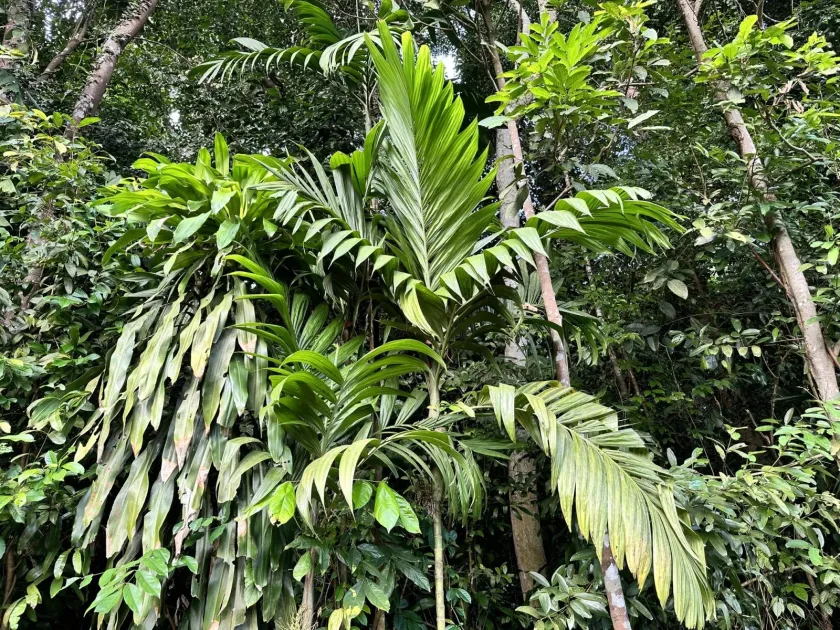
Description
Sowing dates
Propagation of Areca triandra is primarily achieved through seeds, which must be sown as soon as possible after harvesting due to their rapid loss of viability. The use of fresh, high-quality seeds is the most critical factor for successful germination.
Seeds are placed in a porous, moisture-retentive substrate, such as a mix of peat and perlite. A consistently warm temperature ranging from 25 to 30 degrees Celsius is necessary to break dormancy and stimulate embryo development.
Maintaining high humidity levels is essential during the germination phase. Covering the seed trays helps to retain moisture while preventing the substrate from drying out prematurely.
Once the seedlings develop their first true leaves, they should be carefully transplanted into individual containers. This minimizes competition for nutrients and space among the young plants.
Growth rates for this species are moderate, and young palms should be repotted periodically to ensure that the root system has sufficient space for healthy expansion.
Growing requirements
Belonging to the Arecaceae family, Areca triandra is native to the tropical forests of Southeast Asia. It thrives in environments with filtered light, as direct tropical sunlight can cause serious photodamage to its foliage.
The ideal soil for this palm must be well-drained, fertile, and slightly acidic. A mixture of loam, peat, and organic matter provides the necessary nutrients for robust growth while ensuring optimal drainage.
Temperature management is crucial, as the plant is sensitive to cold drafts and temperatures below 15 degrees Celsius. It performs best in a stable, warm, and humid environment that mimics its natural habitat.
Consistent watering is required during the active growing season. However, it is vital to allow the top layer of the soil to dry slightly between waterings to prevent root rot and other moisture-related issues.
Regular fertilization with a balanced, slow-release fertilizer enriched with micronutrients helps maintain vibrant green leaf coloration and prevents chlorosis, a common deficiency in indoor conditions.
Main diseases and pests
Spider mites are a common nuisance for this species, especially in environments where humidity is not properly controlled. Their activity manifests as fine webbing and mottled leaf patterns.
Root rot, caused by fungal pathogens in the soil, remains the most significant threat. It is typically triggered by overwatering and inadequate aeration of the growing medium.
Scale insects and mealybugs can attach themselves to the stems and leaf bases. These pests extract plant sap, leading to stunted growth and a general decline in the vitality of the palm.
Leaf spot diseases may appear if the foliage remains wet for extended periods in low-light conditions. Providing adequate air circulation is the best preventive measure against these infections.
Regular monitoring of the palm for early signs of infestation allows for the application of targeted treatments, which are much more effective when problems are detected early.
Harvesting
While primarily grown as an ornamental plant, Areca triandra is known for its clustering habit, which allows for the selective harvesting of stems or seeds in specialized botanical contexts.
In natural habitats, mature seeds are collected for propagation purposes once they turn from green to a distinct orange-red color, indicating full physiological maturity.
Pruning of old or damaged fronds is a standard maintenance practice that ensures the plant allocates resources to the development of new, healthy foliage.
Care should be taken during any handling of the plant to avoid physical damage to the growth points, which are highly sensitive and essential for the plant's continued development.
Sustainable harvesting of seeds requires timing the collection to coincide with the natural ripening process, ensuring the viability of the next generation of palms.