
Areca concinna
Areca concinna
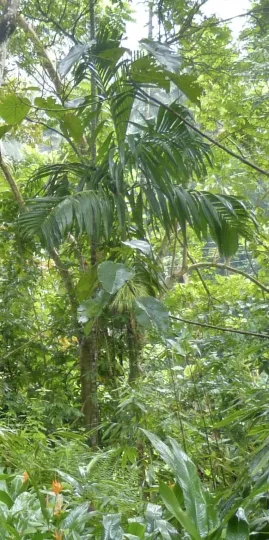
Description
Growing requirements
Areca concinna is a distinct species of the Arecaceae family, native to the tropical rainforests of Sri Lanka. This slender palm is valued for its delicate pinnate foliage and is typically found in understory habitats where it thrives in humid, shaded environments.
Successful cultivation requires a stable environment that mimics its natural habitat. The plant prefers bright, filtered light and should never be exposed to intense, direct afternoon sun, which can cause severe leaf scorch and dehydration of the delicate fronds.
The soil requirements are specific: the medium must be well-draining yet capable of retaining moisture. A mixture of peat, loam, and coarse grit or perlite is recommended to prevent waterlogging, which is a major cause of root mortality in this species.
Temperature management is critical for healthy growth; Areca concinna thrives in a temperature range of 22 to 26 degrees Celsius. It is highly sensitive to cold drafts and should be kept in a climate-controlled environment, especially during cooler winter months.
Watering frequency should be adjusted based on the drying rate of the substrate. While the palm enjoys consistent moisture, the root zone must remain aerated. High ambient humidity is essential for leaf health; therefore, misting or using a humidifier is highly beneficial.
Main diseases and pests
Common pests affecting Areca concinna include spider mites, which thrive in low-humidity indoor environments. These pests feed on the underside of leaves, causing yellowing and stippling that can eventually lead to leaf drop if left untreated.
Scale insects often cluster along the veins and stems, appearing as hard, bumpy deposits. These pests extract sap and produce honeydew, which can further attract sooty mold, damaging the aesthetic and photosynthetic capacity of the palm.
Root rot is the most common and devastating disease caused by overwatering or poor drainage. Once the roots become compromised, the palm loses the ability to uptake water and nutrients, resulting in slow decline and death if the plant is not re-potted immediately.
Leaf spot diseases caused by fungi often arise when foliage remains wet for extended periods in environments with stagnant air. Maintaining good air circulation is the best preventative measure against the proliferation of these fungal pathogens.
Integrated pest management strategies should be implemented to ensure long-term health. This includes regular inspection, physical removal of pests, and the judicious use of horticultural oils or insecticidal soaps as directed by professional agricultural standards.