
Bugleweed
Ajuga reptans L.
Description
Sowing dates
Propagation of Ajuga reptans is primarily achieved through division of stolons, which are creeping stems that root at the nodes. This method is highly effective for establishing new patches throughout the spring or autumn months.
While seed propagation is possible, it is less common due to the ease of vegetative division. If seeds are used, they should be sown in early spring in well-draining soil and kept consistently moist until germination occurs.
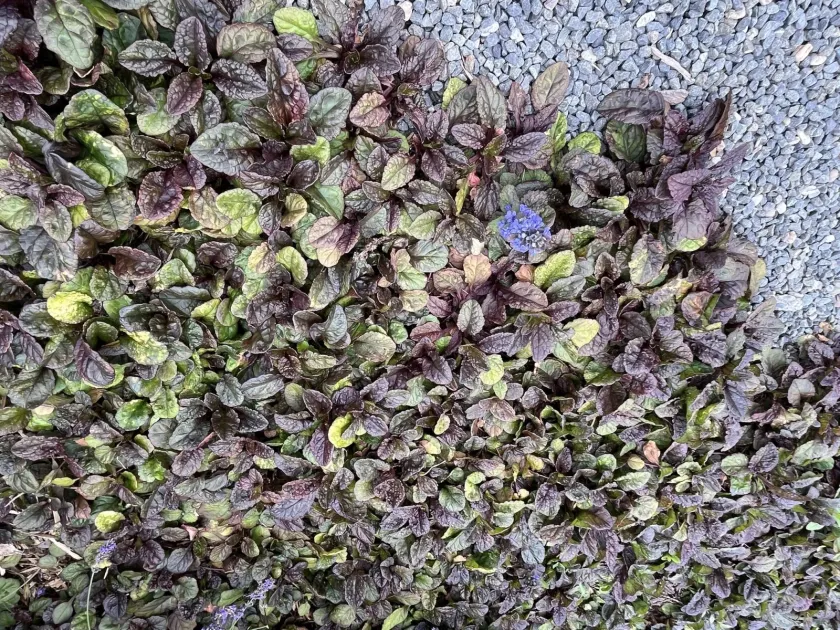
The spacing for planting should be approximately 25 centimeters apart. Given the plant's aggressive growth habit, it will quickly fill the gaps and form a solid green or variegated mat across the soil surface.
When establishing a new area, it is essential to prepare the site by clearing existing weeds and loosening the soil. This provides the stolons with the best opportunity to establish their root systems quickly.
No special fertilizer is typically required at the time of planting, though incorporating a small amount of organic compost can improve the structural quality of the soil and encourage vigorous growth.
Growing requirements
As a member of the Lamiaceae family, Bugleweed is a resilient plant capable of thriving in various environmental conditions. It is particularly valued for its ability to grow in dense shade, where many other plants fail to survive.
The species prefers moist, loamy, and nutrient-rich soils. While it can adapt to different soil textures, it is most productive in environments that retain moisture without becoming waterlogged for extended periods.
It is fully hardy in temperate climates, showing significant resistance to cold temperatures. The foliage often remains semi-evergreen, providing ground cover even during the late autumn and winter seasons.
The plant is highly versatile in terms of light exposure. While it prefers partial to full shade, it can tolerate sunnier locations, provided the soil moisture is sufficient to prevent the leaves from scorching.
Maintenance is minimal. The plant naturally suppresses weeds due to its dense growth habit, meaning that after the first season, manual weeding becomes largely unnecessary in established patches.
Main diseases and pests
The most common pests affecting this culture are slugs and snails, which can skeletonize the leaves during damp, overcast weather. Control can be managed by using physical barriers or targeted baiting methods.
Crown rot is the primary disease risk, often triggered by poor drainage or excessive humidity in the center of dense clusters. Ensuring adequate air circulation is the best preventive measure against such outbreaks.
Over-fertilization with nitrogenous products can lead to succulent growth, making the plants more susceptible to fungal pathogens. A balanced approach to nutrition is essential for maintaining plant health.
Root system health should be monitored periodically. If the plants appear to thin out, it is often a sign of soil depletion or overly compacted conditions that require manual aeration of the site.
Overall, Bugleweed is considered a robust plant with few serious natural enemies, making it an excellent choice for low-maintenance landscaping and soil stabilization projects.