
Ground pine
Ajuga chamaepitys (L.) Schreb.
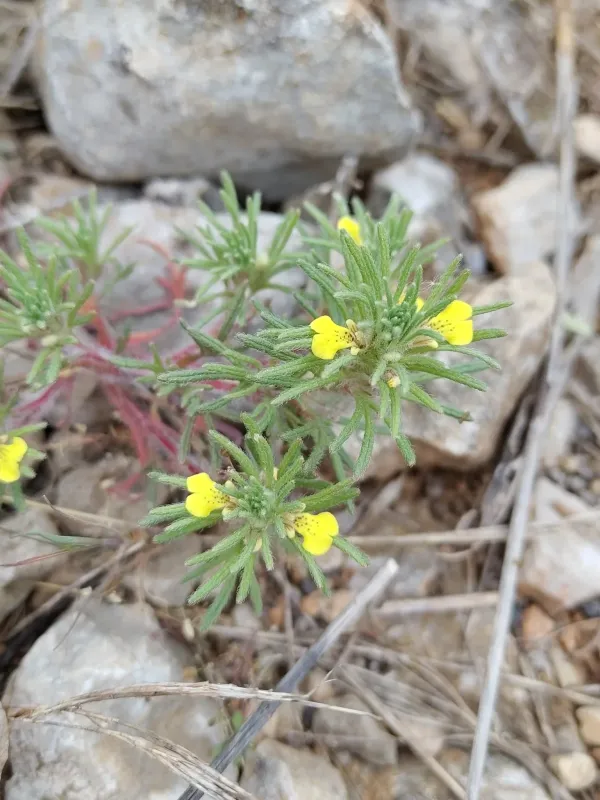
Description
Sowing dates
Ground pine is an annual herbaceous plant belonging to the Lamiaceae family. Sowing is typically carried out in early spring when soil temperatures reach favorable levels for germination.
The seeds require a well-prepared seedbed and should be sown at a shallow depth of approximately 0.5 to 1 centimeter to ensure consistent emergence of seedlings.
When sowing on a larger scale, it is recommended to maintain row spacing of about 25-30 centimeters, which provides sufficient space for mechanical weeding and air circulation.
The plant demonstrates good adaptability to various climates, but early sowing is critical to allow the plant to complete its life cycle before the late summer heat peaks.
Adequate soil moisture during the germination phase is essential, as the seeds are somewhat sensitive to prolonged drought right after they are sown.
Growing requirements
This crop thrives in well-drained, calcareous, or sandy soils. It is particularly known for its ability to grow in poor soils where other crops might struggle.
Sunlight is a key requirement for the development of the secondary metabolites that make Ground pine valuable; therefore, open, sunny sites are mandatory.
The plant is highly drought-tolerant once established, requiring minimal irrigation even in drier climatic conditions, making it an efficient water-use crop.
Soil pH should preferably be neutral to slightly alkaline. The plant does not tolerate waterlogging, so fields must have excellent drainage to prevent root issues.
Nutrient requirements are relatively low, but moderate applications of phosphorus and potassium can enhance overall plant vigor and chemical profiles.
Main diseases and pests
Root rot is the most significant threat, typically associated with poor drainage or over-irrigation during cool, damp weather conditions.
Slugs and snails can cause considerable damage to young seedlings, often requiring barrier methods or organic bait to protect the crop during the early stages.
Aphid infestations are occasionally observed, which can stunt growth and transmit viral diseases, necessitating careful observation of the plant tips.
Powdery mildew can occur in areas with poor ventilation or excessively high humidity, requiring cultural adjustments like wider plant spacing.
Integrated Pest Management (IPM) strategies, including crop rotation and the use of resistant varieties, are recommended to maintain field health.
Harvesting
The harvesting of the aerial parts is conducted during the peak flowering stage to ensure the highest concentration of essential oils and active ingredients.
Mechanical harvesting is common in commercial fields, where the plants are cut at a specific height to leave the roots undisturbed in the soil.
Post-harvest processing involves rapid drying in a well-ventilated, shaded environment to preserve the chemical composition and green color of the herb.
Proper drying temperatures should not exceed 40 degrees Celsius to avoid the degradation of heat-sensitive medicinal compounds.
Once dried, the herb should be stored in cool, dry conditions in light-protected containers to ensure long-term shelf stability and potency.