
Ajuga multiflora
Ajuga multiflora Bunge
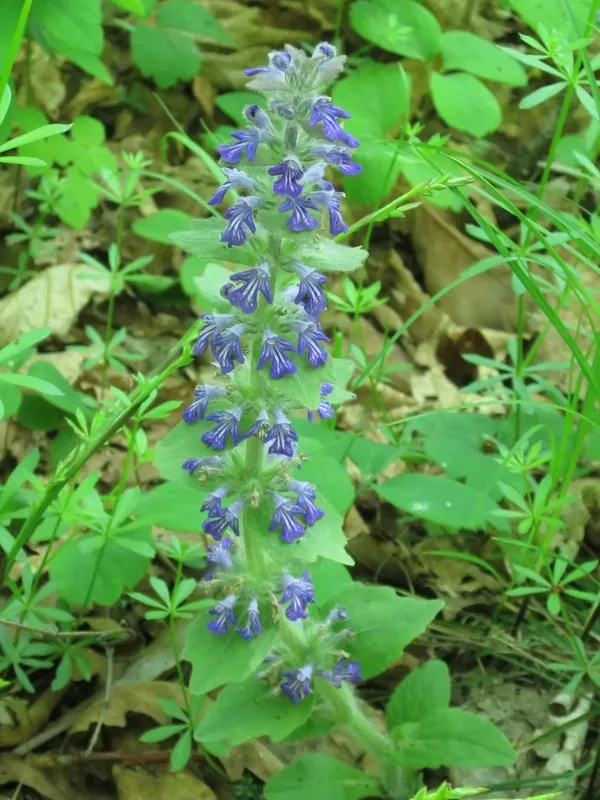
Description
Sowing dates
Ajuga multiflora Bunge belongs to the Lamiaceae family. This perennial herbaceous plant is cultivated for its medicinal properties and is propagated primarily through seeds or vegetative division of its rhizomes.
The optimal time for sowing seeds in the open field is early spring once the soil temperature reaches 8-10 degrees Celsius. Late autumn sowing is also possible, allowing seeds to undergo natural stratification over the winter period.
When using the seedling method, seeds are sown in containers during March, maintaining a stable temperature of approximately 20 degrees Celsius. Seedlings typically emerge within 2–3 weeks, after which they are pricked out at the two-leaf stage.
Pre-sowing treatment of seeds involves mandatory disinfection and soaking in growth stimulants to improve germination rates. Seeds should be planted at a shallow depth of no more than 0.5–1 centimeter, as they require light to germinate effectively.
In commercial cultivation, the planting density is maintained at approximately 12–15 plants per square meter. This spacing ensures sufficient nutrient availability and space for the development of the basal leaf rosettes.
Growing requirements
This species is native to East Asia, including the Russian Far East, China, and Mongolia. In the wild, it prefers dry grassy slopes, forest edges, and rocky areas, which contributes to its high tolerance for arid conditions.
The plant has moderate soil requirements, preferring well-drained loamy or sandy substrates with a neutral to slightly acidic pH level. A critical cultivation condition is the prevention of water stagnation, as the root system is susceptible to rotting.
Ajuga multiflora is a light-loving plant but can adapt successfully to partial shade conditions. Higher light intensity promotes denser flowering and the accumulation of biologically active substances within the aerial parts of the plant.
Climate requirements include high winter hardiness, enabling the plant to withstand significant sub-zero temperatures typical of continental climates. The growing season is characterized by active development of rosette leaves in the first half of summer.
The cultivation agrotechnics include regular weeding and loosening of the soil between rows to prevent compaction. Application of mineral fertilizers, particularly those rich in phosphorus and potassium, is recommended in spring during the active growth phase.
Yield
The primary use of Ajuga multiflora is in pharmacology and traditional medicine. The aerial parts of the plant are highly valued as they contain iridoid glycosides, flavonoids, and tannins, which are useful for therapeutic preparations.
The biological yield of raw biomass depends on soil fertility and the level of agricultural management. On average, one hectare of well-maintained plantations can yield 3–5 tons of dry plant material per year.
Harvesting should be conducted during the peak flowering stage, as this is when the concentration of biologically active compounds is highest, ensuring the maximum pharmacological efficacy of the harvested product.
To maximize yields, timely weed control is essential, as Ajuga multiflora competes poorly with tall weeds in its early developmental stages. Keeping the plantation clean is a fundamental prerequisite for obtaining high-quality medicinal raw materials.
Storage of the harvested raw material requires mandatory drying in shaded, well-ventilated areas or in dryers at a temperature not exceeding 40 degrees Celsius. This preserves the chemical composition and prevents the degradation of plant fibers.
Main diseases and pests
Major diseases affecting the crop include fungal infections such as powdery mildew and various types of root rot. The incidence of these pathogens is often triggered by excessive soil moisture and poor air circulation in the field.
Among pests, slugs and snails pose the greatest threat to young plants, as they consume delicate basal leaves during the spring season. Barrier methods or the use of specialized molluscicides are effective ways to protect the crop.
Aphid infestations can also occur, as they suck sap from young shoots and flower stalks, leading to leaf deformation. Early detection of infestation spots and the use of biological insecticides can help minimize economic losses.
For disease prevention, it is recommended to strictly follow crop rotation and avoid replanting the crop on the same plot for at least 4–5 years. This practice breaks the life cycle of soil-borne fungal pathogens.
An integrated pest management (IPM) system should combine agronomic practices, such as proper irrigation management and plant density control, with the use of biological agents. Chemical pesticides should be a last resort only in cases of severe outbreaks.
Harvesting
Harvesting is performed manually or mechanically during dry weather conditions. It is crucial to cut only healthy, pest-free parts of the plant while ensuring the root system remains intact to allow for regrowth in the following season.
After harvesting, the material undergoes primary processing, which includes the removal of foreign matter, damaged leaves, and soil residues. Quality sorting is a necessary stage to standardize the produced medicinal raw material.
The optimal time for harvesting during the day is the morning hours, after the dew has evaporated but before the onset of intense midday heat. This aids in better retention of essential oils and other volatile components within the plant structure.
Transporting the material to the processing facility should be done in mesh bags or containers that allow for free air circulation. Storing mown biomass in dense piles for extended periods is strictly prohibited to prevent self-heating and spoilage.
Post-harvest, it is advisable to apply complex fertilizers to the plantation to restore plant resources before the winter dormancy period. This practice extends the lifespan of the perennial stand and ensures stable productivity for the coming year.