
Pyramidal bugle
Ajuga pyramidalis L.
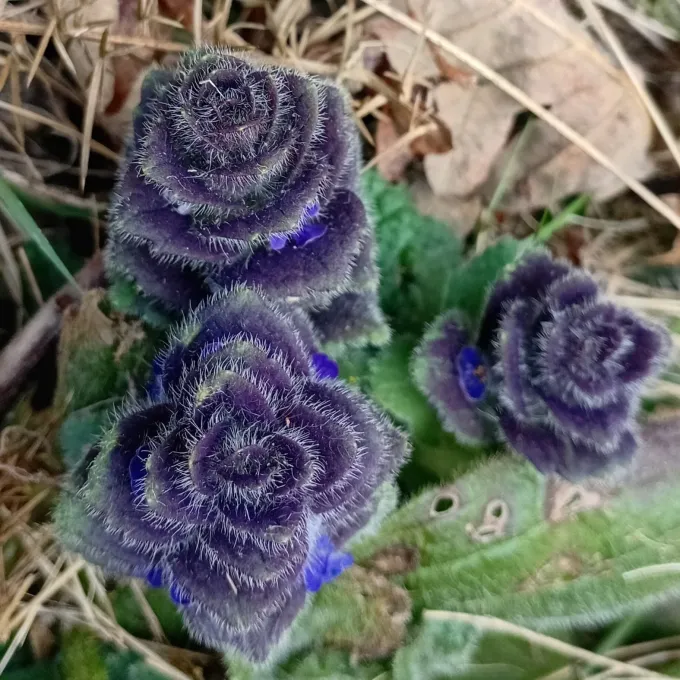
Description
Sowing dates
Propagation of Ajuga pyramidalis is primarily achieved through vegetative methods, such as dividing rhizomes or rooting rosettes. The ideal time for planting is early spring after the soil warms up or during the early autumn season.
When propagating by seed, they should be sown before winter in open ground or in seedling trays in early spring. Seeds benefit from cold stratification to improve germination rates, so keeping them in cool conditions for several weeks is recommended.
For quick coverage of an area, young plants should be spaced approximately 20-30 centimeters apart. The plant spreads relatively quickly, forming a dense carpet, so planting density can be adjusted based on the desired speed of coverage.
After planting, seedlings require regular, moderate watering until they are fully established. Mulching around the base helps retain moisture in the topsoil and effectively suppresses weed growth during the critical early stages of establishment.
This species belongs to the Lamiaceae family and is a compact perennial herb. Unlike the common bugle, the pyramidal variety does not spread via long stolons, making it a more contained and predictable option for formal or informal garden designs.
Growing requirements
Pyramidal bugle thrives in moist yet well-drained soils. It adapts to various soil types, including loams, though it displays its best decorative qualities in fertile, humus-rich environments that maintain consistent moisture levels.
The plant is highly shade-tolerant, making it an excellent choice for planting beneath trees or in shaded garden spots. It can also tolerate direct sunlight provided it receives adequate moisture to prevent heat stress and leaf scorching.
This culture is well-adapted to temperate climate conditions. It possesses significant winter hardiness, surviving harsh winters without the need for additional protective cover, which makes it a low-maintenance choice for northern regions.
For optimal growth, soil pH should be maintained within a neutral to slightly acidic range. Stagnant water is the greatest threat to its health, as it often leads to root rot during the dormant winter period.
Agricultural care includes applying organic fertilizers in the spring to promote lush foliage development and subsequent flowering. During dry spells, supplemental irrigation is essential to preserve the plant's vigor and vibrant leaf color.
Main diseases and pests
Slugs and snails are the primary pests that damage the succulent leaves of the plant during periods of high humidity. Effective control involves using physical barriers or specific bait treatments designed to keep these mollusks away from flower beds.
In conditions with high moisture and poor air circulation, the plant may be susceptible to fungal diseases like powdery mildew or root rots. Preventing overcrowding and ensuring excellent soil drainage are the best cultural defenses against these issues.
Root rot symptoms typically involve the wilting of individual rosettes, which then detach easily from the soil. Once infection is detected, the affected areas must be removed immediately, followed by the application of systemic fungicides to the surrounding soil.
Selecting an inappropriate location with excessive shade or poor airflow can weaken the plant, increasing its susceptibility to infections. In such instances, relocating the plant to a brighter, better-drained area is often the best recovery strategy.
Routine weeding is necessary for newly established patches, as the young bugle can be outcompeted by aggressive weeds in its first year. Once the mat becomes established and dense, it creates a self-sustaining environment that suppresses most weeds.