
Tenore's Bugle
Ajuga tenorei C. Presl
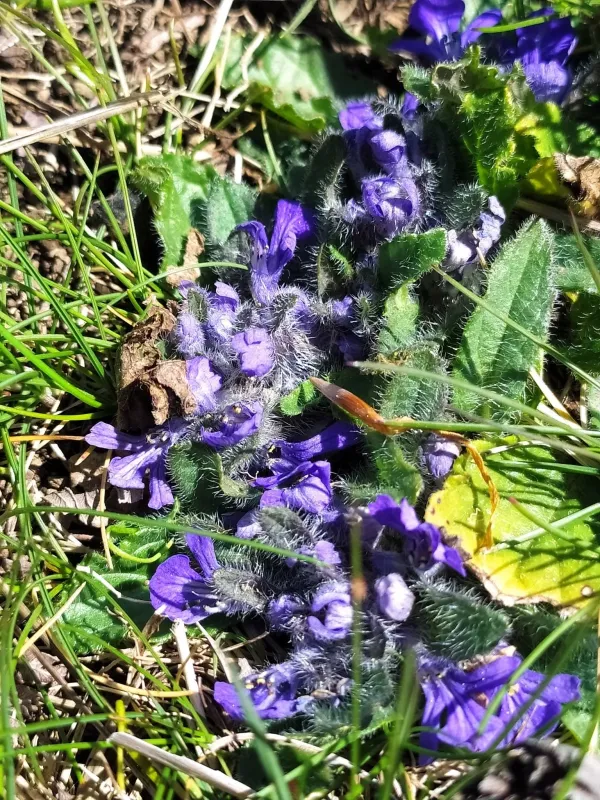
Description
Growing requirements
Tenore's Bugle (Ajuga tenorei) is a perennial herbaceous plant belonging to the Lamiaceae family. It is a popular ground cover species known for its vigorous growth habit and ability to spread via stolons, creating a dense, low-growing mat of foliage.
The plant originates from regions of Southern Europe, thriving in temperate climates. It is highly valued for its adaptability, performing well in various garden settings ranging from full sun to partial shade, provided the environmental conditions are consistent.
Regarding soil requirements, this species prefers moist, well-drained, fertile soil. While it is adaptable to different soil types, it performs best in loam or sandy loam substrates. Ensuring proper drainage is crucial to prevent root rot during wet seasons.
Cultural practices include occasional watering during dry spells and a light application of balanced fertilizer in early spring to promote lush growth. Given its density, the plant is excellent at suppressing weed competition, effectively minimizing the need for manual weeding.
In landscaping, Tenore's Bugle is primarily used for erosion control on slopes, as a low-maintenance ground cover, or for underplanting trees and shrubs. Its ability to create a consistent, lush carpet makes it a staple in contemporary ornamental horticulture.
Main diseases and pests
While generally robust, Tenore's Bugle can be susceptible to fungal diseases such as powdery mildew, especially if planted in areas with poor air circulation. Proper spacing during initial planting helps mitigate these risks significantly.
Pests that typically affect this crop include slugs and snails, which can cause damage to the foliage during periods of high humidity. In cases of severe infestation, implementing biological control methods or environmentally friendly barriers is recommended to protect the plants.