
Bugleweed
Ajuga reptans x Ajuga tenorei
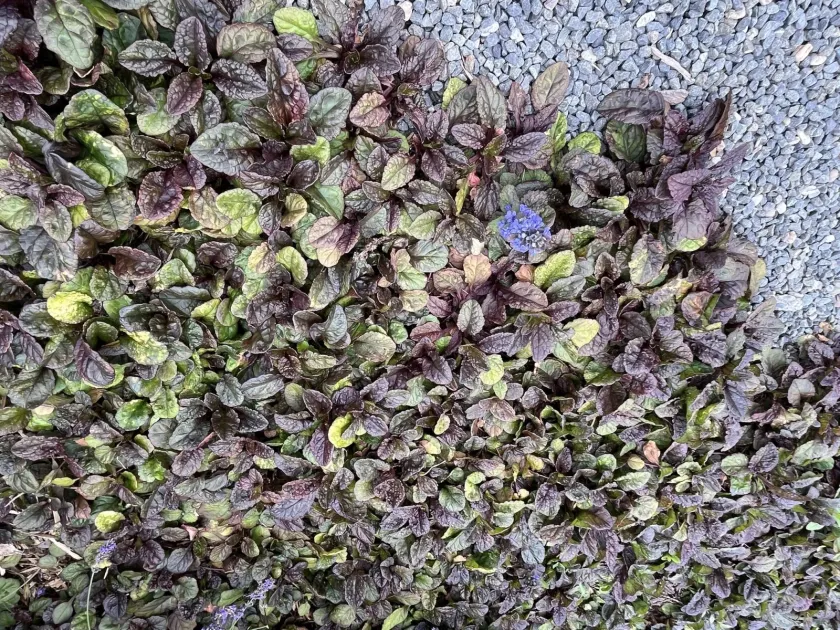
Description
Sowing dates
The propagation of Ajuga reptans in agricultural and nursery settings is primarily carried out through vegetative methods. The optimal time for dividing clumps and planting rooted rosettes is during the spring, from April to May, or in early autumn before the onset of persistent frosts.
Seed propagation is less common due to the plant's high rate of vegetative colonization. When using seeds, they are sown into the ground before winter or in seedling trays in early spring, ensuring only surface coverage as seeds require light to germinate.
The planting density for creating a carpet-like cover should be approximately 10–12 plants per square meter. This spacing allows the culture to form a continuous vegetative mat by the middle of the second season after plantation establishment.
In intensive landscape projects, it is crucial to recognize that the plant possesses high energy for stolon growth. Timely limitation of expansion zones is a critical step in the agrotechnical maintenance to ensure the integrity of the planted beds.
Planting material must be free of decay symptoms and possess a developed root system with at least 3–5 formed leaves per rosette to ensure high survival rates in the new environment.
Growing requirements
Bugleweed belongs to the Lamiaceae family and is known for its high adaptability to growth conditions. It prefers semi-shaded areas; however, with sufficient irrigation, it can fully develop in full sun while maintaining vibrant foliage color.
The plant has moderate soil requirements, effectively thriving in loamy and sandy-loam soils with sufficient moisture levels. The optimal substrate is slightly acidic or neutral, rich in humus for maximum performance.
Standard agrotechnics require the maintenance of moderate soil moisture. During periods of prolonged drought, regular watering is essential to prevent the decline of both decorative quality and the growth rate of the above-ground biomass due to surface layer desiccation.
The plant exhibits high winter hardiness, typical of species originating from the forest zones of Europe and the Caucasus. It can withstand harsh winters without additional cover, making it highly valuable in regions with temperate climates.
To maintain high decorative value, it is recommended to apply complex mineral fertilizers at the start of the active growth period. This stimulates the production of new runners and strengthens the plant's immunity against various pathogens.
Main diseases and pests
The primary threats to bugleweed in high-humidity conditions are slugs and snails, which damage the leaf blades, leaving characteristic holes and slime trails. Control measures involve the application of molluscicides or the creation of protective physical barriers.
Among fungal diseases, gray mold represents the greatest danger, occurring due to water stagnation and a lack of air circulation in dense thickets. To prevent this, growers should avoid excessive planting density.
Root rot can appear in areas with poor drainage, leading to the decay of individual rosettes. Prevention includes selecting sites with proper drainage and avoiding over-saturation of the soil during the off-season.
Aphids may infest flower spikes during the blooming period, feeding on cell sap and suppressing the plant's general development. In cases of severe infestation, systemic insecticides are used for management.
Nematodes may also pose a threat to the root system. Proper phytosanitary practices, such as using only healthy planting material and controlling weed populations near the cultivated patches, are essential for effective prevention.