
African lily
Agapanthus praecox Willd.
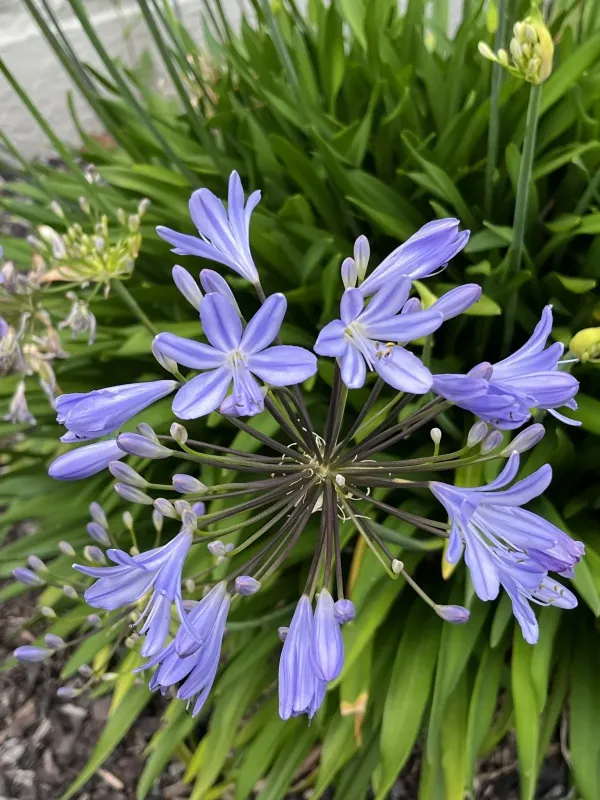
Description
Sowing dates
Propagation of Agapanthus praecox is most effectively achieved through the division of clumps, a process usually performed during early spring or immediately after flowering.
When propagating by seeds, they should be sown in a well-draining, light potting medium as soon as they reach maturity or in the early spring season.
The seeds require temperatures around 20-22 degrees Celsius and should be kept in a bright, well-lit environment, as light is essential for successful germination.
Seedlings need to be transplanted into individual pots once they have developed at least two or three true leaves to ensure proper growth space.
It is important to note that plants grown from seeds may take several years to reach maturity and produce their first inflorescences.
Growing requirements
Agapanthus praecox is a prominent member of the Amaryllidaceae family, originating from the coastal regions of South Africa, where it thrives in sunny locations.
This crop demands fertile, well-draining soil with a pH balance ranging from slightly acidic to neutral to ensure the health of its thick, fleshy root system.
In cooler climates, the plant must be cultivated in containers and moved to a frost-free, cool location during the winter months to protect it from freezing.
Consistent watering is necessary throughout the active growing season, but it is vital to reduce moisture levels significantly during the winter dormant phase.
The plant performs best when its roots are slightly pot-bound, which encourages more vigorous and reliable flowering during the summer months.
Main diseases and pests
The most significant threat to the health of the African lily is fungal root rot, which typically occurs due to excessive water retention in the soil or poor drainage.
In enclosed environments or greenhouses, the plant is susceptible to common pests such as spider mites and mealybugs, which thrive in dry air conditions.
Symptoms of pest infestation often include yellowing leaves, fine webbing, or visible white cotton-like masses on the stems and leaves of the plant.
Effective management includes the use of systemic insecticides for pest control and broad-spectrum fungicides if fungal pathogens are detected in the root zone.
Maintenance should focus on ensuring adequate airflow around the foliage and strictly monitoring soil moisture to prevent the onset of humidity-related disorders.