
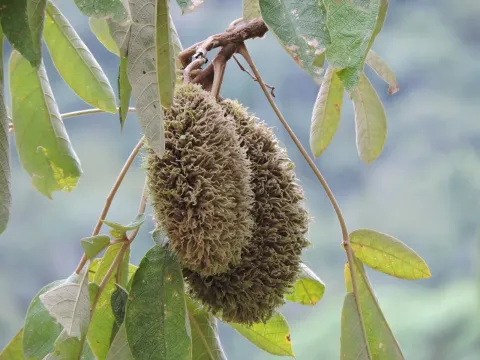
Zeyheria
Zeyheria
Zeyheria is a genus of trees within the Bignoniaceae family, native to the tropical regions of South America. These trees are known for their distinct botanical characteristics and their ability to thrive in warm, humid forest environments.
What the section contains


Zeyheria
The climate requirements for this culture are strictly tropical. It demands consistently high temperatures throughout the year to maintain optimal metabolic processes and ensure healthy growth of the woody biomass.
Soil quality plays a critical role in the development of Zeyheria. The preferred soils are deep, fertile, and well-drained, as the root system is highly susceptible to root rot in waterlogged or heavy clay conditions.
Cultivation practices involve ensuring adequate solar exposure, which is essential for the species' physiological needs. In plantation settings, maintaining correct spacing is vital to avoid overcrowding and to ensure each tree receives sufficient resources.
Beyond its ecological value, the species is recognized for its high-quality timber and ornamental potential. Proper management allows for the sustainable production of forest resources while maintaining the biodiversity of the ecosystem.
The primary threats to Zeyheria include fungal infections, which often occur due to excessive moisture and lack of air circulation, particularly in humid tropical zones where the pathogen pressure is high.
Various insect pests, such as leaf-eating beetles and wood-borers, can cause significant damage to young trees, affecting the structural integrity and growth rate of the saplings.
To mitigate these risks, integrated pest management practices are recommended, focusing on the early detection of symptoms and the promotion of a healthy tree immune system through proper nutrient balance.
Sanitation of the plantation area is crucial to prevent the accumulation of leaf litter or dead wood, which can serve as a breeding ground for pests and pathogens that affect the species.
Regular agricultural inspections are necessary to identify any signs of infestation, ensuring that interventions are applied in a timely and environmentally responsible manner.