
Pale yucca
Yucca pallida McKelvey
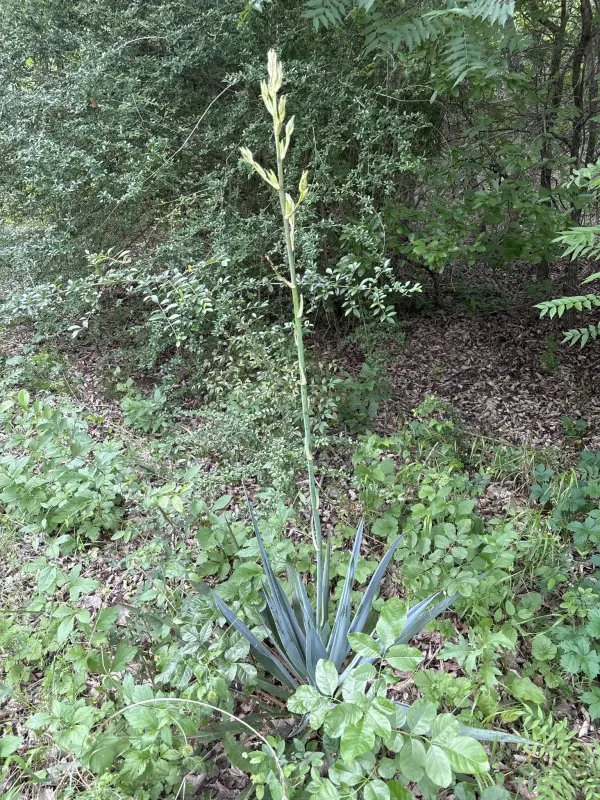
Description
Growing requirements
Pale yucca (Yucca pallida) belongs to the Asparagaceae family. It is a striking perennial known for its pale blue-green rosettes of stiff, sword-shaped leaves that maintain their architectural appeal in dry climates.
Native to the arid regions of North America, particularly Texas and Oklahoma, this plant has evolved to thrive in harsh environments. It exhibits significant tolerance to heat, cold spells, and prolonged periods of drought, making it a staple for xeriscaping.
The primary soil requirement for Yucca pallida is excellent drainage. It performs best in rocky, sandy, or coarse-textured soils where water does not accumulate. Heavy or clay-based soils should be amended with grit to ensure the roots remain aerated.
Agronomic management is minimal. This species requires full sun exposure to maintain its compact growth form and intense foliage color. Irrigation should be sparse, as the plant stores moisture in its fleshy tissues, and excessive water is detrimental.
Economically, this yucca is highly valued in landscape architecture. It is an excellent choice for low-maintenance urban plantings, highway embankments, and private gardens where water conservation is a priority.
Main diseases and pests
The most severe threats to the plant are root and crown rots, caused primarily by overwatering or poorly draining soil conditions. These fungal pathogens can destroy the plant rapidly if environmental conditions remain damp.
Insect pests such as scale insects, mealybugs, and spider mites can occasionally affect the rosettes. Monitoring for these pests during the hot summer months is essential for maintaining plant health.
Leaf spot diseases, caused by various fungi, can emerge when plants are subjected to high humidity and low ventilation. Pruning dead foliage from the base of the plant is a critical maintenance practice to reduce the spread of fungal spores.