
Yucca baccata
Yucca baccata Torr.
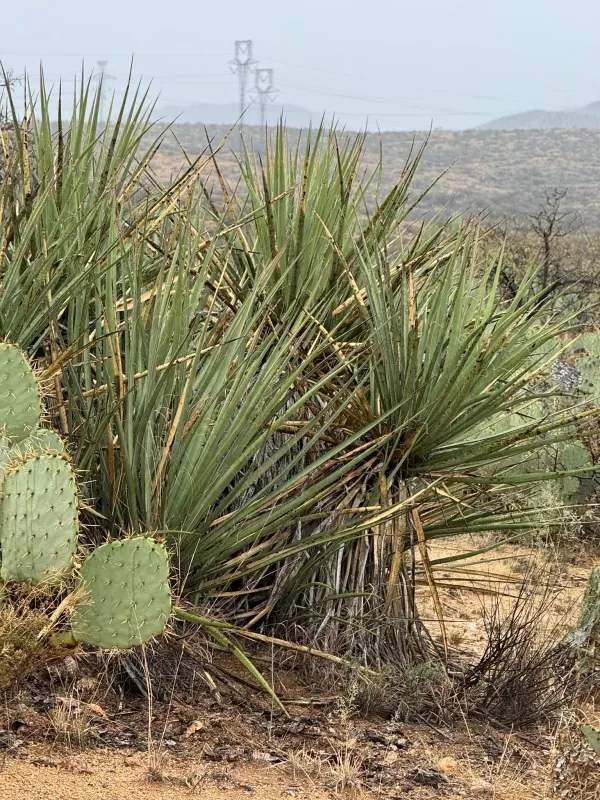
Description
Sowing dates
Propagation of Yucca baccata in agricultural settings is achieved primarily through seeds or by dividing the offset suckers from the mother plant.
Seeds should be sown in a well-draining substrate during early spring, ensuring a consistent temperature above 20°C to promote reliable germination.
Vegetative propagation via offsets is the preferred commercial method as it significantly reduces the time required for the plant to reach maturity and fruit.
For large-scale cultivation, proper spacing is crucial to allow the large, rigid rosettes enough room to expand without shading neighboring plants.
When sowing, seeds should be placed at a depth of about 1–2 centimeters, as the emerging sprouts need light access once they reach the surface.
Growing requirements
Yucca baccata is a member of the Asparagaceae family and is native to the arid environments of the Southwestern United States and Northern Mexico.
The plant has a strict requirement for full, direct sunlight; any significant shading will result in diminished growth, poor vitality, and failed flowering.
Soil requirements are relatively forgiving, provided the soil is extremely well-drained, sandy, or rocky, avoiding any conditions that cause water stagnation.
While highly drought-tolerant, supplemental irrigation during the flowering and fruiting period can significantly increase both the size and quality of the yield.
It is moderately cold-hardy, but the primary environmental constraint for successful cultivation is ensuring that winter humidity levels remain low to prevent rot.
Yield
The primary agricultural output of Yucca baccata is its fleshy, edible fruit, which is rich in nutrients and serves as a significant food source in semi-arid regions.
When mature and properly maintained, each plant can produce a considerable volume of fruit, making it a viable option for specialized desert farming.
The fibrous leaves of the plant provide a secondary harvest, offering strong, durable materials traditionally used for cordage and textile production.
The dual utility of fruit and fiber makes this crop an attractive choice for sustainable agricultural systems in low-water-availability regions.
Economically, the crop benefits from low maintenance costs, as it thrives without the need for intensive fertilization or complex pest management programs.
Main diseases and pests
The most severe threat to Yucca baccata is root rot, which occurs almost exclusively due to poor drainage or excessive soil moisture during cooler months.
Insect pests, such as scales and mealybugs, can infest the dense leaf bases, weakening the plant and potentially leading to stunted development.
Spider mites may occasionally occur, especially in extremely hot and dry conditions where the plant's natural defenses might be momentarily suppressed.
Fungal leaf spot diseases are rare but can develop if the foliage remains wet for extended periods in high-humidity microclimates.
- Maintain perfect soil drainage at all times.
- Monitor leaf bases for signs of mealybug infestation.
- Remove any decaying or yellowing leaves to improve airflow.
Harvesting
The harvest of the banana-shaped fruits occurs when they turn from a deep green to a yellowish or brownish tint, signaling peak maturity.
Harvesting requires caution and protective gear, as the leaves are tipped with sharp, rigid spines that can easily pierce standard clothing.
Once harvested, the fruit is perishable and should be processed quickly or kept in a cool, dry environment to prevent rapid degradation of the pulp.
Care must be taken during collection to avoid bruising the skin, as the high sugar content of the fruit makes damaged pulp prone to fermentation.
Since fruit ripening is often staggered across a single plant, multiple harvests are typically required throughout the late summer and early autumn season.