
Yucca desmetiana
Yucca desmetiana Baker
Description
Growing requirements
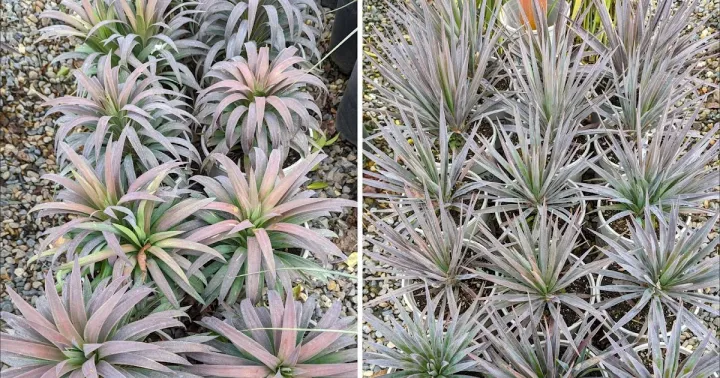
Yucca desmetiana is a perennial, evergreen shrub belonging to the Asparagaceae family. It is highly valued in horticulture for its unique, arching foliage that shifts from blue-green to a vibrant purple-red hue when exposed to intense sunlight.
Originating from the arid zones of Mexico, this species is perfectly adapted to dry conditions and high solar radiation. It thrives in environments where other ornamental plants might struggle due to lack of water or poor soil quality.
The primary requirement for successful cultivation is excellent soil drainage. The plant demands a sandy or gravelly substrate to prevent water logging, as stagnant moisture in the root zone is the most common cause of failure in this species.
Regarding climate, Yucca desmetiana performs best in full sun. While it shows moderate cold tolerance, it is generally considered a tender plant. In temperate regions, it is frequently used as a decorative container plant to allow for winter protection indoors.
In landscaping, it serves as an excellent focal point for xeriscaping or rock garden designs. Its ability to retain its architectural structure throughout the year makes it a premium choice for low-maintenance, drought-tolerant garden compositions.
Main diseases and pests
Root rot, primarily caused by fungal pathogens such as Pythium or Phytophthora, represents the most significant threat to the plant's survival. These conditions are directly linked to overwatering and insufficient soil aeration.
Pest pressure often includes infestations of mealybugs and scale insects. These pests feed on plant sap, leading to stunted growth and the potential for secondary fungal infections to settle on the sugary secretions left behind.
Spider mites are frequently encountered during hot, dry periods, particularly when the plant is sheltered from natural wind or humidity. Infestations are characterized by yellowing of the foliage and fine webbing across the base of the leaves.
Management strategies involve a combination of cultural practices and chemical interventions. Maintaining adequate spacing between plants ensures proper air circulation, which naturally inhibits the buildup of pest populations and fungal pathogens.
Regular monitoring of the crown and leaf bases is recommended for early detection of pests. Application of appropriate systemic insecticides can effectively mitigate damage, ensuring the plant maintains its high aesthetic and structural integrity.