
Moundlily yucca
Yucca gloriosa L. var. tristis Carrière
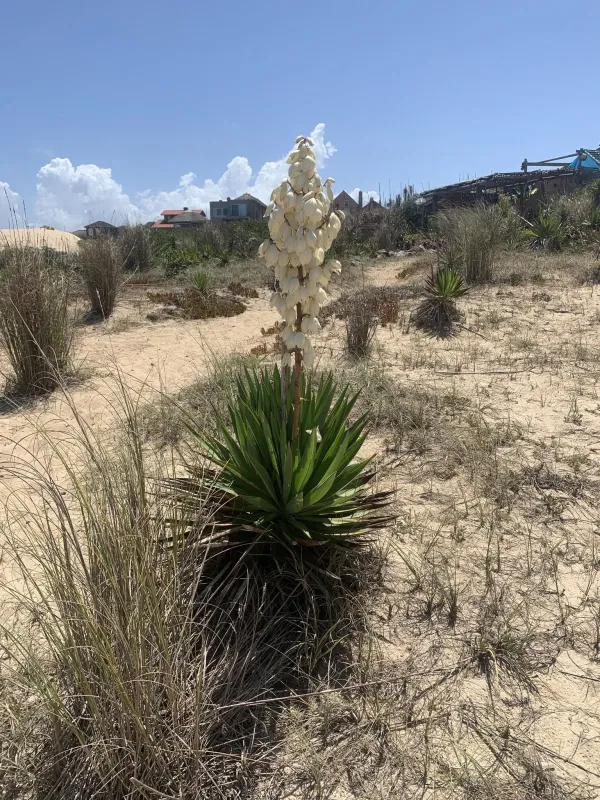
Description
Growing requirements
Moundlily yucca (Yucca gloriosa var. tristis) is a perennial evergreen shrub belonging to the Asparagaceae family. Originally native to the coastal sand dunes of the southeastern United States, it is highly adapted to arid and sandy environments.
This crop requires full sun exposure to maintain its structural integrity and leaf color. In agricultural practice, it thrives in well-drained, sandy, or loamy soil types where the moisture does not remain stagnant around the crown of the plant.
Soil management for yucca involves maintaining a neutral pH level and ensuring good aeration. Because the plant is drought-tolerant, supplementary irrigation is only necessary during extreme dry spells; excessive watering can severely damage the root system.
Cold hardiness is a significant factor in cultivation. While the species can tolerate moderate frost, it requires protection or shelter in regions with harsh winters to prevent tissue damage and ensure survival through the cold season.
Beyond its landscape value, the crop has been historically used for its fibrous leaves. The fibers extracted from this plant are known for their exceptional strength and durability, making them suitable for specific cordage and textile applications.
Main diseases and pests
The primary threats to yucca health are fungal diseases, particularly leaf spot and root rot, which are often caused by poor drainage and excessive atmospheric humidity around the foliage.
Common pests include scale insects, spider mites, and mealybugs. These organisms congregate on the leaf bases and undersides, extracting sap and causing the leaves to yellow, curl, or eventually wither away.
Effective pest management involves the use of systemic insecticides during the peak growing season. It is also crucial to maintain clean plantation conditions by removing debris and dead foliage to eliminate potential insect breeding grounds.
Cultural control, such as monitoring soil moisture levels and ensuring proper spacing between plants, is essential to mitigate fungal infection risks. Fungicidal treatments should be applied preventively if local environmental conditions favor disease spread.
Constant observation is key to high-quality yield. If a fungal infection is detected, the affected parts of the plant should be pruned immediately, and tools must be sanitized to prevent the transmission of pathogens to healthy stock.