
Filamentous x Pale Yucca
Yucca filamentosa x Yucca pallida
Description
Growing requirements
Yucca filamentosa x Yucca pallida is a distinctive interspecific hybrid belonging to the Agavaceae family. This evergreen perennial combines the structural resilience and hardiness of the filamentosa species with the subtle, glaucous coloration of the pallida species, resulting in a highly decorative plant.
Originating from North American regions with arid climates, this plant has evolved to thrive in sun-drenched, rocky environments. Its adaptation to harsh conditions makes it an excellent candidate for xeriscaping, where minimal water input and low maintenance are priority requirements for horticultural projects.
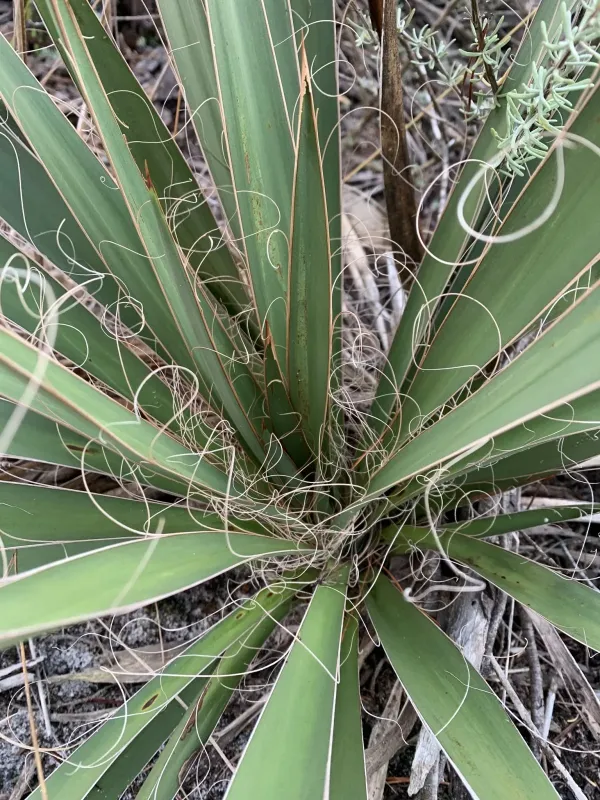
Botanically, the hybrid features a robust basal rosette of sword-shaped leaves characterized by the fibrous threads typical of its filamentosa parent. During its blooming phase, the plant develops an impressive stalk bearing large, ivory-white, bell-shaped flowers that create a striking focal point in a garden setting.
Agricultural success depends on providing full sun exposure and soil with excellent drainage properties. While the plant is drought-tolerant, it requires a neutral to slightly alkaline pH level to prevent nutrient lockout. Adding sand or grit to the planting hole is highly recommended for heavier soil types.
The primary use of this hybrid is in landscape architecture. It is frequently employed in rock gardens, mediterranean-style landscapes, and public urban spaces where its ability to withstand extreme temperatures and environmental stress provides reliable year-round visual appeal with very little effort.
Main diseases and pests
The most critical threat to this yucca hybrid is root and crown rot, primarily induced by overwatering or soil compaction. Waterlogging creates an anaerobic environment that rapidly degrades the succulent root system, often leading to irreversible damage before the symptoms become visible.
Insect pests, including mealybugs and scale insects, frequently target the succulent foliage. These pests feed on the plant's sap, which can lead to leaf yellowing and stunted growth. Regular inspection of the leaf bases and undersides is essential for early detection and mitigation.
Fungal leaf spot diseases are common when humidity levels remain high for extended periods. These pathogens manifest as brown or black lesions on the leaves, which can spread quickly if air circulation is insufficient or if the plant remains wet during rainy seasons.
Control strategies involve a combination of cultural practices and chemical interventions. Ensuring adequate spacing between plants and maintaining a clean growing area by removing decaying foliage helps significantly reduce the incidence of both fungal infections and insect pest outbreaks.
In cases of severe infestation or infection, the use of systemic insecticides or copper-based fungicides is recommended. Application should always be timed according to local weather forecasts to ensure effectiveness and avoid washing the treatment off the waxy cuticle of the leaves.