
Yucca filamentosa x Yucca rostrata
Yucca filamentosa L. x Y. rostrata Engelm. ex Trel.
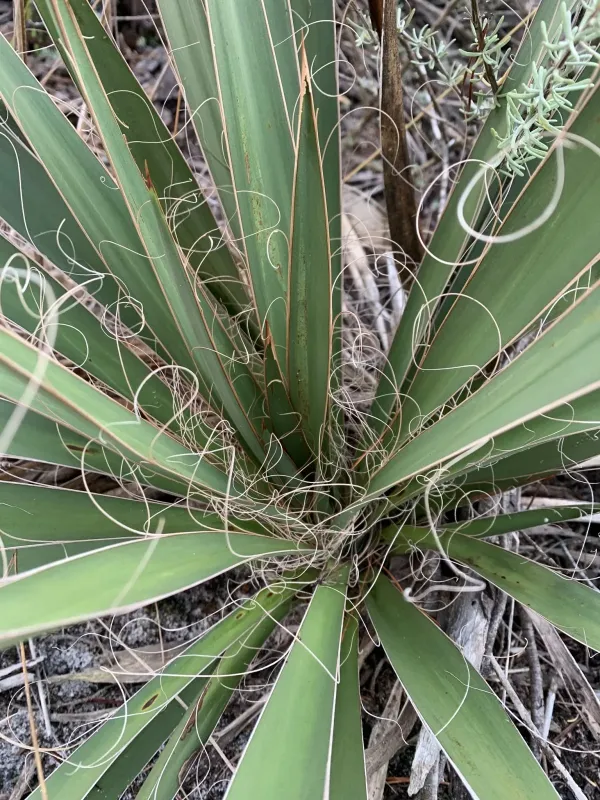
Description
Growing requirements
The hybrid Yucca filamentosa x Yucca rostrata belongs to the Asparagaceae family and is highly valued for its unique combination of hardiness and ornamental form. This cultivar produces a distinct rosette of stiff, needle-pointed leaves often exhibiting a blue-green hue.
Optimal growth requires full sun exposure, as the plant needs intense light to maintain its compact shape and vertical growth pattern. Shaded environments cause the leaves to become thin and elongated, significantly reducing the plant's structural integrity.
Regarding soil requirements, this yucca demands excellent drainage. A gritty, sandy, or rocky soil profile is essential to prevent moisture accumulation. Heavy, clay-based soils should be amended with perlite or gravel to ensure the health of the root system.
Climate adaptation is a key feature of this hybrid. It benefits from the cold-hardiness of the filamentosa parent, allowing it to withstand frost, provided that the growing medium remains dry during the dormant season to prevent cellular damage.
This plant is primarily used in commercial and residential landscaping as a structural element. It is well-suited for xeriscaping, rock gardens, and container planting where low maintenance and high aesthetic appeal are the primary objectives for designers.
Main diseases and pests
The primary threats to this cultivar include root and crown rot, which are triggered by over-irrigation and poor aeration. These fungal pathogens often thrive in heavy substrates that hold water for extended periods after precipitation.
Pest pressure from scale insects and mealybugs can be significant in warm climates. These pests feed on the sap of the leaves and stems, leading to weakened growth and the potential for secondary viral or fungal infections in the damaged tissue.
Leaf spot diseases caused by various fungi can occur during high-humidity seasons. These appear as irregular dark spots on the foliage and require prompt removal of infected leaves and the application of fungicides to prevent the spread.
Root damage from soil-dwelling grubs can also hinder the establishment of young plants. Monitoring the soil moisture levels and checking the plant base regularly helps in identifying the presence of these pests before damage becomes irreversible.
Effective management strategy revolves around preventative care: maintaining high sanitation standards, ensuring proper airflow around the foliage, and avoiding the use of overhead irrigation systems that wet the leaves for extended periods.