
Rubus pentalobus
Rubus pentalobus Hayata
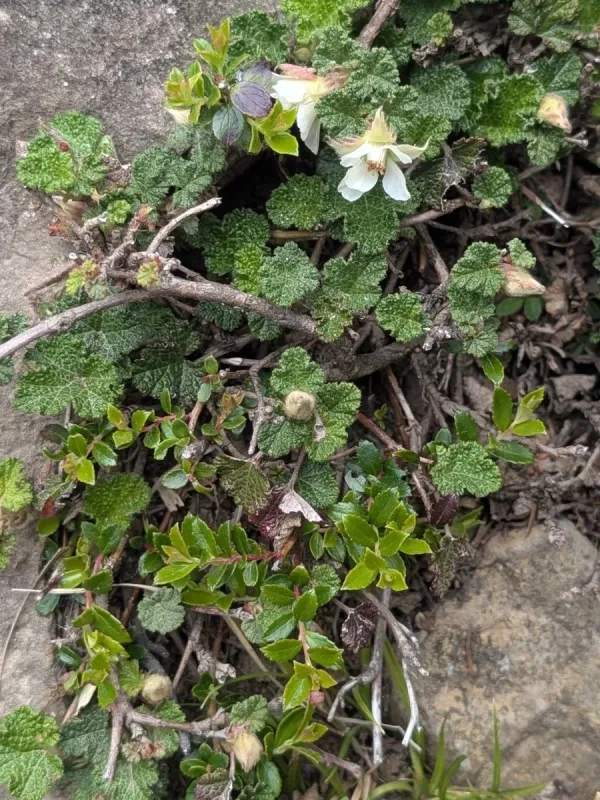
Description
Growing requirements
Rubus pentalobus, commonly known as the creeping raspberry, is a perennial evergreen groundcover belonging to the Rosaceae family. Native to the mountainous regions of Taiwan, this plant is highly prized for its prostrate habit and deep, leathery, five-lobed leaves.
The plant thrives in well-drained, moderately fertile soil and prefers sunny or partially shaded locations. It is highly adaptable to various landscape conditions, making it an excellent choice for rocky sites or slope stabilization where soil erosion might be a concern.
Cultural requirements include consistent moisture during the establishment phase. Once the plant is well-rooted, it displays impressive resilience to drier conditions, although supplemental watering during prolonged droughts ensures the best foliage appearance and spread.
Agrotechnical management is relatively straightforward. The species spreads rapidly via rooting stems, which eventually forms a dense mat. Pruning is rarely necessary, but it can be performed to keep the plant within defined boundaries or to rejuvenate older, congested areas.
In landscape architecture, Rubus pentalobus is utilized extensively for ground stabilization, as a border plant, or as a sustainable alternative to turf grass. Its ability to maintain a lush green appearance throughout most of the year adds significant aesthetic value to gardens.
Main diseases and pests
The primary threats to Rubus pentalobus include fungal diseases associated with poor drainage, such as root rot or leaf spot. Ensuring proper site preparation and adequate drainage is the most effective preventative measure against these soil-borne pathogens.
Insect pests, including aphids and spider mites, may occasionally colonize the foliage, particularly in hot, dry environments. Monitoring the underside of leaves and applying horticultural oils or appropriate insecticides at the first signs of infestation effectively manages these issues.