
Xylopia nigricans
Xylopia nigricans
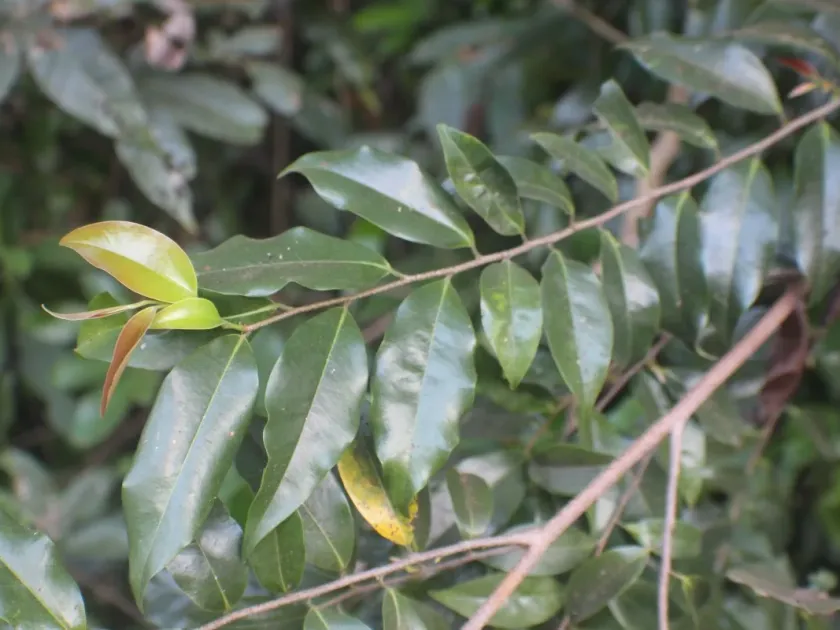
Description
Growing requirements
Xylopia nigricans belongs to the Annonaceae family and is a characteristic evergreen woody plant of the tropical African regions. It plays a significant role in the local ecosystems and traditional agricultural landscapes.
The plant thrives in a tropical climate characterized by consistently high temperatures and significant air humidity. It is sensitive to thermal fluctuations and requires a stable, warm environment for optimal growth.
Soils suitable for this crop must be deep, fertile, and exhibit excellent drainage properties. Waterlogging in the root zone is detrimental, so site selection focusing on topographical elevation is crucial for success.
Agricultural management requires careful attention to soil pH, aiming for slightly acidic to neutral levels to ensure nutrient uptake. Maintaining a humus-rich soil structure is key for long-term productivity.
Beyond its botanical value, Xylopia nigricans is utilized for its aromatic wood and seeds containing specific phytochemicals. These features make it a plant of interest for pharmacological and industrial applications.
Main diseases and pests
Fungal diseases represent the most significant threat to Xylopia nigricans in tropical regions with high humidity. Proper spacing between trees is essential to promote airflow and prevent moisture accumulation.
Wood-boring insects can cause severe damage to the tree's vascular system, necessitating routine monitoring of trunks and branches. Early detection is vital to mitigate the impact of infestations.
Defoliating insects can significantly reduce the photosynthetic capacity of the tree if left uncontrolled. Integrated pest management strategies are often implemented to keep insect populations below damaging thresholds.
Root rot, driven by stagnant water, poses a high risk to plant health. Ensuring that cultivation sites have well-structured, porous soil is the primary preventive measure against soil-borne pathogens.
Maintaining balanced nutrition through organic matter ensures the tree remains robust and resilient. Stressed plants are notably more susceptible to various opportunistic diseases and environmental stressors.