
Xylopia championii
Xylopia championii
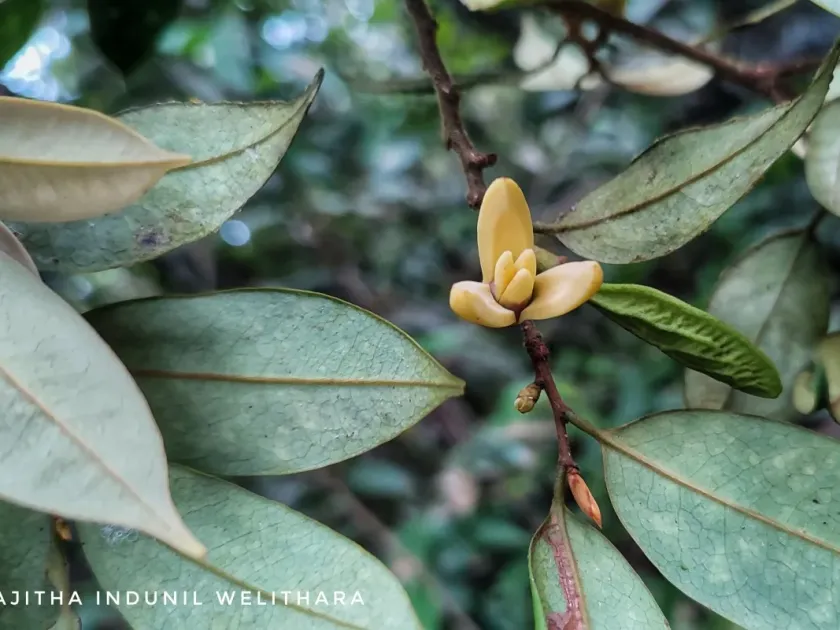
Description
Growing requirements
Xylopia championii belongs to the Annonaceae family and is a characteristic evergreen tree species found in tropical forest ecosystems. It thrives in humid climates where rainfall is frequent and temperatures remain consistently warm throughout the year, supporting its rapid biomass production.
Regarding soil requirements, the plant prefers well-drained, nutrient-rich substrates. It is particularly sensitive to waterlogging, which often leads to root asphyxiation, emphasizing the importance of site selection in hilly or naturally drained tropical landscapes for plantation establishment.
The climate requirement is strictly tropical, as the species lacks cold hardiness and will suffer permanent damage if exposed to frost or prolonged cool temperatures. It requires semi-shaded environments during its early development stages to prevent heat stress and desiccation of the delicate foliage.
Agronomic management involves regular weeding and the application of balanced organic fertilizers to mimic the nutrient cycling of its natural forest habitat. Pruning is essential in managed plantations to maintain tree shape and ensure optimal light penetration to the inner parts of the canopy.
The economic value of this tree spans its use as a source of high-quality timber and medicinal extracts derived from its bark and leaves. Research continues to investigate the potential of these phytochemicals in natural medicine, highlighting the plant's multifaceted role in local economies.
Main diseases and pests
Pathogenic threats primarily include fungal infections that manifest in the root system when soil drainage is insufficient. Such conditions favor the growth of Phytophthora and other soil-borne pathogens that can devastate young plantations if not controlled early.
Pests like mealybugs and scale insects represent the most significant biotic threats to Xylopia championii. These insects aggregate on young stems and leaf undersides, extracting nutrients and potentially acting as vectors for secondary viral infections that affect plant vigor.
Integrated Pest Management (IPM) strategies, including the use of neem-based pesticides and the encouragement of natural predators, are recommended to maintain ecological balance. Chemical interventions should be used sparingly to avoid disturbing the sensitive local biodiversity of tropical regions.
Foliar diseases such as leaf spot are frequently observed in plantations with poor air circulation. To mitigate this risk, maintaining adequate spacing between trees is crucial for ensuring that wind can move through the canopy, reducing humidity levels on the leaf surface.
Nutritional stress can also decrease the tree's natural resistance to diseases. Ensuring that the soil provides essential micronutrients is a preventive measure that keeps the immune system of the tree robust enough to withstand common environmental pressures encountered in cultivation.