
Xylopia aethiopica
Xylopia aethiopica
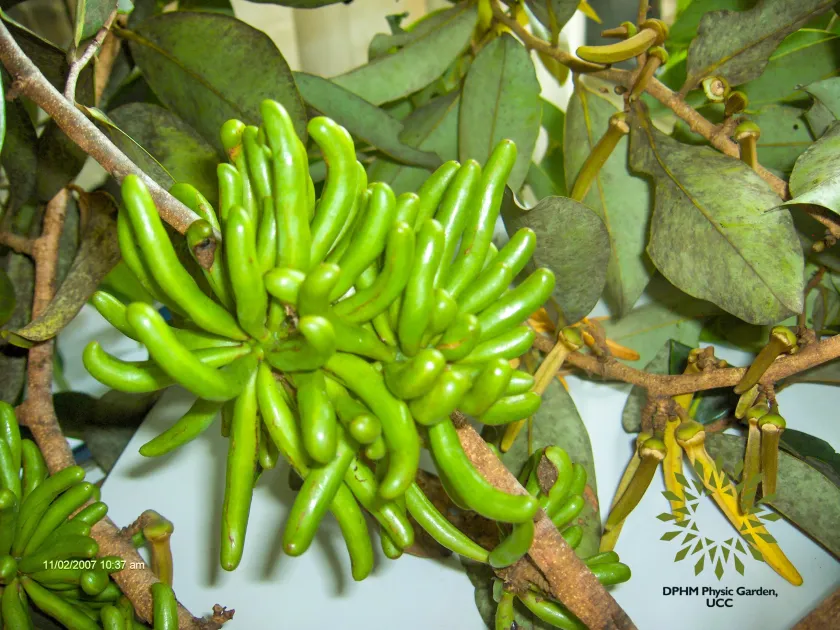
Description
Sowing dates
The propagation of Xylopia aethiopica is primarily achieved through seeds. Given that the seeds have a short lifespan, they should be sown immediately after the harvest of ripe pods to ensure optimal germination rates.
The ideal germination substrate should be rich in organic matter and have an excellent drainage capacity. It is recommended to maintain a consistent temperature of 25–30 degrees Celsius during the initial stages of plant development.
Young seedlings require partial shade to protect them from intense sunlight, which can lead to dehydration and scorched foliage during the sensitive early growth phases.
Once seedlings reach a height of 30–50 cm, they are ready for transplanting into their permanent location. Proper spacing is essential to allow for the future development of the tree canopy.
Industrial planting often involves greenhouse-raised nursery stock, which ensures stronger root development and provides protection against early-stage pests and soil-borne diseases.
Growing requirements
Xylopia aethiopica is an evergreen tropical tree belonging to the Annonaceae family. It is known for its tall, slender habit and aromatic fruit, often referred to as grains of Selim or African pepper.
The species requires a humid tropical climate with substantial annual rainfall, typically ranging from 1500 mm to over 2500 mm. It is highly sensitive to frost and extreme cold temperatures.
Deep, fertile, well-draining loamy soils are ideal for the development of this tree. Soils that retain excess water are unsuitable, as they significantly increase the risk of root rot and overall plant decline.
While the tree can thrive in full sun, it benefits from wind protection, as strong winds can cause damage to the branches and lead to premature fruit drop during the development stage.
Standard agronomic practices include the application of organic mulch around the base of the tree to regulate soil temperature and moisture levels, as well as to minimize weed competition.
Yield
The primary economic output consists of the dried fruits. These are harvested for their pungent, spicy flavor, which makes them a highly valued condiment in both traditional African cuisine and the global spice market.
Yields are maximized by ensuring tree vigor through proper nutritional management. As the tree matures, its capacity to produce fruit increases, provided that canopy light interception is managed correctly.
Beyond the fruits, the bark and leaves of Xylopia aethiopica are frequently harvested for medicinal purposes, as they contain alkaloids and essential oils with potent antimicrobial and anti-inflammatory properties.
Diversifying the use of the tree’s biomass enhances the overall economic sustainability of a plantation. Global demand for organic, high-quality botanical ingredients supports a robust market for the species.
Long-term yield stability is achieved through selective harvesting techniques that preserve the structural integrity of the tree, ensuring that it remains productive for decades.
Main diseases and pests
The tree is susceptible to several tropical pests, including defoliating caterpillars and various sap-sucking insects that can weaken young shoots and reduce overall foliage health.
Fungal pathogens represent a major threat, particularly in high-humidity zones. Root rot is a common issue if soil aeration is compromised, necessitating strict adherence to drainage management.
Integrated Pest Management (IPM) strategies, which prioritize biological control and the use of organic insecticidal soaps, are recommended to maintain the quality of the harvested produce for international export.
Nutrient deficiencies, specifically nitrogen and trace elements, can lead to chlorosis and reduced growth, making trees more susceptible to secondary infections and environmental stress.
- Regular inspection of leaves for signs of insect infestation.
- Pruning to ensure maximum airflow and sunlight penetration in the crown.
- Maintenance of clear zones around the tree to reduce weed-related competition for nutrients.
Harvesting
Harvesting is performed when the pods reach a dark brown color, indicating full maturity. At this stage, the essential oils and flavor compounds have reached their peak concentration in the fruit.
Due to the height of the trees, manual harvesting using climbing equipment or long-handled tools is common. Great care is taken to avoid damaging the fruiting nodes, which are essential for future harvests.
The harvested pods are immediately sorted and subjected to drying. Sun-drying is the traditional method, though controlled-heat drying is increasingly used to ensure consistency in product quality and moisture levels.
Once dried to the desired moisture content, the fruits are graded by size and quality. Proper sorting ensures that the product meets international standards, enhancing its shelf life and market value.
The final product is typically packaged in breathable materials to prevent mold during transport, ensuring that the aroma and potency of the spice are preserved for the end consumer.