
Xylopia aromatica
Xylopia aromatica
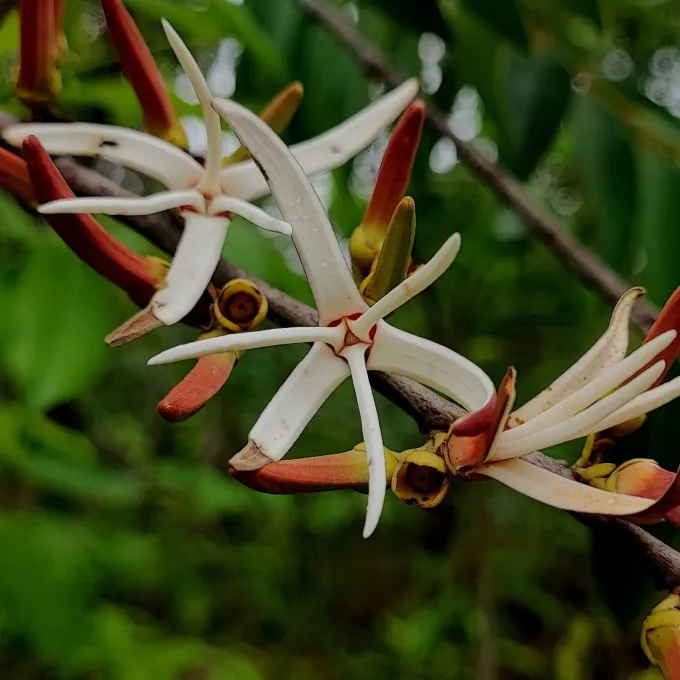
Description
Growing requirements
Xylopia aromatica is a prominent member of the Annonaceae family, recognized for its aromatic properties and structural utility. This evergreen tree is native to the South American tropical regions, particularly within the Brazilian savanna landscapes.
The plant thrives in well-drained, acidic soils and requires full sun exposure to reach its maximum productivity. It is well-adapted to the seasonal cycles of tropical climates, showing resilience during the dry periods common in its native habitat.
Optimal growth is achieved in temperature ranges between 20°C and 30°C. The species is highly sensitive to waterlogging, necessitating the selection of elevated planting sites or fields with excellent artificial drainage systems.
Agronomic practices focus on early-stage development, where seedlings require regular irrigation and protection from strong, desiccating winds. Mulching is recommended to retain moisture in the topsoil and suppress competing weed growth during the first two years.
Proper spacing between trees is essential to ensure adequate air circulation. Maintenance includes pruning to encourage the development of a strong central leader and to facilitate easier access during the harvesting process.
Main diseases and pests
The plant is relatively robust but can be affected by specific fungal pathogens that thrive in high humidity. Root rot is the primary threat, typically resulting from poor drainage management or improper soil composition in the nursery phase.
Pests such as stem-boring insects may cause damage to the trunk, weakening the tree's structure and reducing its longevity. Regular monitoring and the application of integrated pest management are crucial for preserving tree health.
Leaf-eating insects are also observed in dense plantations, necessitating periodic inspection of the canopy. Sustainable methods, such as encouraging natural predators, are preferred over synthetic pesticides to maintain the organic status of the product.
Nutritional deficiencies, particularly of microelements, can manifest as chlorosis on older leaves. Soil testing and the application of balanced foliar fertilizers can correct these imbalances and boost overall plant immunity.
Maintaining biological diversity around the plantation helps mitigate pest pressure. A polyculture approach is often more effective than monoculture, as it naturally balances the ecosystem and reduces the risk of massive outbreaks.
Harvesting
Harvesting of Xylopia aromatica is primarily focused on its seeds, which contain high concentrations of essential oils. Mature fruits are hand-picked when they show signs of color change and characteristic aromatic intensity.
Post-harvest processing involves immediate drying to prevent microbial spoilage. The seeds are typically laid out on trays in a shaded, well-ventilated area to reduce moisture content while preserving the delicate volatile compounds.
The wood is a secondary, yet valuable, product of the harvest. Its durability and elasticity make it suitable for tool handles and small artisan constructions, providing an additional revenue stream for agricultural producers.
Quality control is maintained through rigorous sorting based on size, color, and aroma profile. Only uniform seeds meeting international spice standards are selected for the market, ensuring consistent consumer satisfaction.
Strategic storage in moisture-resistant containers is vital to prevent degradation. With proper handling, the aromatic quality of the seeds can be maintained for an extended period, allowing for steady supply chains throughout the year.