
Rusty xylopia
Xylopia ferruginea
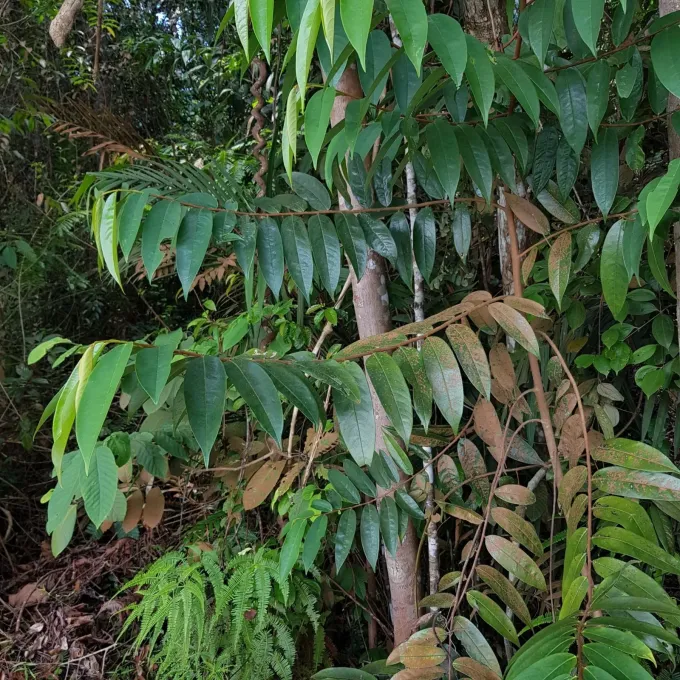
Description
Growing requirements
Rusty xylopia (Xylopia ferruginea) is a notable species within the Annonaceae family, native to the tropical forests of Southeast Asia.
The plant thrives in humid tropical environments where temperatures remain consistently high throughout the year, supporting year-round growth cycles.
Ideal soil conditions require well-drained, nutrient-rich substrates that prevent waterlogging, which is a common cause of failure in cultivation.
Agricultural management requires careful attention to light exposure, as this species prefers direct sunlight to maximize its developmental potential.
Commercially, this tree is valued for its resilient wood, which is utilized in various construction projects and local artisan applications.
Main diseases and pests
Fungal pathogens represent the primary threat to healthy growth, especially when air circulation within the plantation is limited.
Common tropical pests, including scale insects and mites, frequently target the foliage, causing potential loss of vigor.
Root system health is highly dependent on proper drainage; lack thereof frequently leads to catastrophic rot and plant decline.
Boring insects can impact the internal structure of the tree, significantly reducing the economic value of the harvested timber.
Effective plantation management relies on regular monitoring and maintaining optimal tree spacing to reduce the spread of pests and diseases.