
Brazilian xylopia
Xylopia brasiliensis
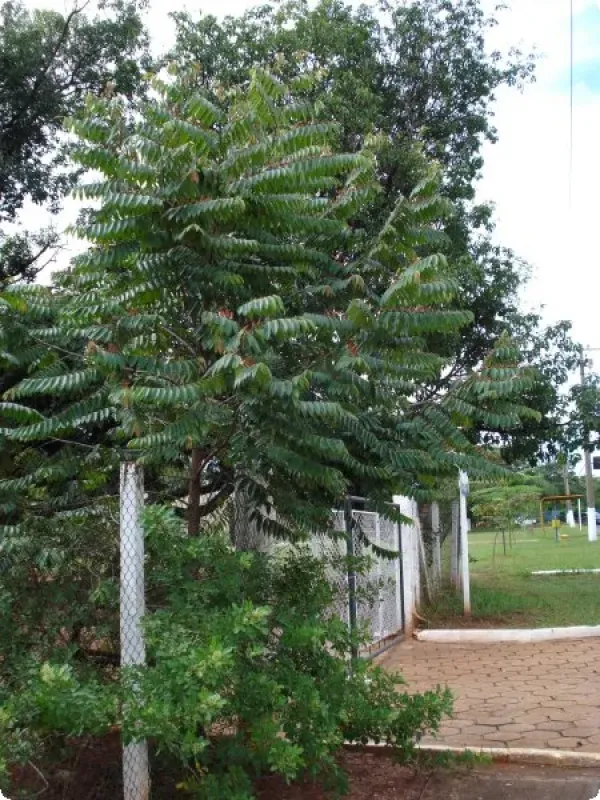
Description
Growing requirements
Brazilian xylopia (Xylopia brasiliensis) is a significant tree species belonging to the Annonaceae family. It is native to the tropical forests of Brazil, where it thrives in humid environments with high precipitation throughout the year.
The climate requirements for this culture are strictly tropical, necessitating consistent temperatures ranging from 22°C to 30°C. The plant exhibits high sensitivity to cold temperatures and cannot survive in regions where frost occurs, even for short durations.
Regarding soil conditions, the plant prefers deep, well-drained loamy soils rich in organic matter. Proper drainage is critical, as the roots are highly susceptible to rot if water stagnation occurs, especially during the active growth phase.
Botanically, it is recognized by its evergreen foliage, which emits a strong, resinous fragrance. The tree structure is generally upright with a well-developed canopy, and it produces woody follicles containing seeds rich in aromatic oils.
Economically, Brazilian xylopia is valued in the pharmaceutical and flavoring industries due to its essential oil profile. Its wood is also utilized in some regions for specialized construction tasks, reflecting the versatile nature of the plant.
Main diseases and pests
Scale insects are among the most persistent pests for Xylopia brasiliensis, attaching themselves to branches and leaves. Physical removal combined with horticultural oil treatments is usually sufficient for controlling small populations.
Root zone pathogens such as Phytophthora can lead to sudden wilting and decline of the tree. Ensuring optimal soil structure and preventing waterlogging are the primary preventative measures against these soil-borne threats.
Leaf blight diseases caused by fungi become problematic during high-humidity seasons when airflow through the canopy is restricted. Proper spacing between trees is essential to promote drying of the foliage after rain events.
Borers can cause significant structural damage to the main stem if the tree is under stress from drought or nutrient deficiency. Maintaining vigorous tree growth through proper fertilization is the best defense against stem-boring insects.
Sooty mold, which develops on the excreta of sap-sucking insects, reduces the photosynthetic capacity of the leaves. Managing the primary pests responsible for honeydew production is the key to preventing sooty mold outbreaks.