
Xylopia malayana
Xylopia malayana
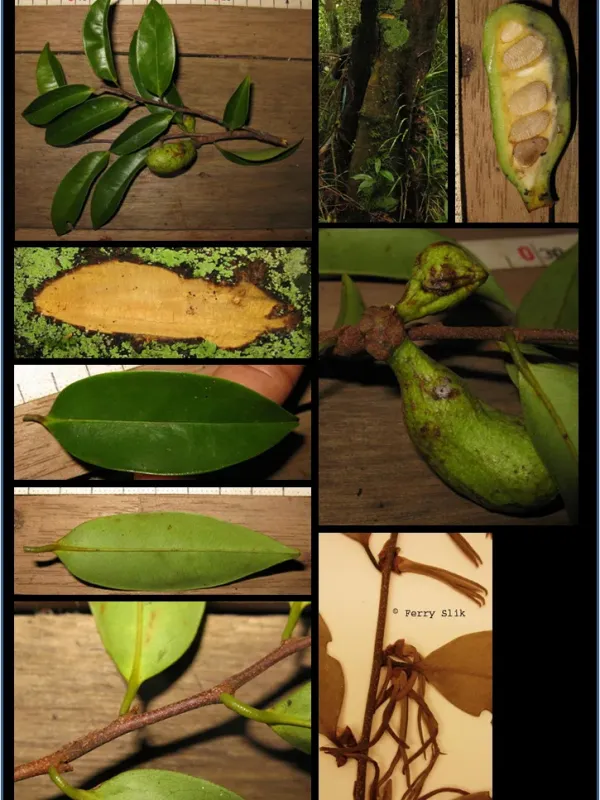
Description
Growing requirements
Xylopia malayana is a distinguished member of the Annonaceae family. This tropical evergreen tree is native to the dense rainforests of Southeast Asia, where it thrives in complex ecological systems alongside other canopy species.
The climate requirements for this species are strictly tropical, characterized by consistent warmth and high annual rainfall. It does not possess mechanisms to survive cold spells, making it exclusively suitable for equatorial or tropical garden environments.
Soil conditions are critical for its establishment. The tree prefers deep, acidic to neutral soil profiles that offer excellent drainage. The presence of organic matter is essential, as the root system benefits from the nutrient cycle typical of forest floors.
In terms of agricultural management, light exposure is a key factor. While young specimens require shade to protect them from heat stress, mature trees are designed to compete for canopy space and reach significant heights in forest settings.
Water management involves maintaining high humidity levels. In managed environments, irrigation must be consistent to mimic the natural rainfall patterns of its native habitat, ensuring that the soil remains moist without becoming waterlogged.
Harvesting
The primary economic utility of Xylopia malayana lies in its timber. The wood is recognized for its durability and strength, making it a valuable resource for construction and specialized carpentry within its native range.
Beyond timber, the plant is harvested for its bark and seeds, which are researched for their medicinal properties. These plant parts contain specific phytochemicals and essential oils that serve as ingredients in traditional and modern medicine.
Sustainable harvesting techniques are employed to manage populations in the wild. This includes selective cutting and harvesting protocols to ensure that the ecological balance of the surrounding forest is not disrupted.
Post-harvest processing involves careful drying to prevent degradation of the internal chemical components. Proper treatment is essential to maintain the structural integrity of the timber for its various end-use applications.
Modern approaches to Xylopia malayana cultivation focus on integrating the plant into agroforestry systems. This strategy enhances productivity while simultaneously contributing to carbon sequestration and local environmental conservation.