
Xylopia longipetala
Xylopia longipetala
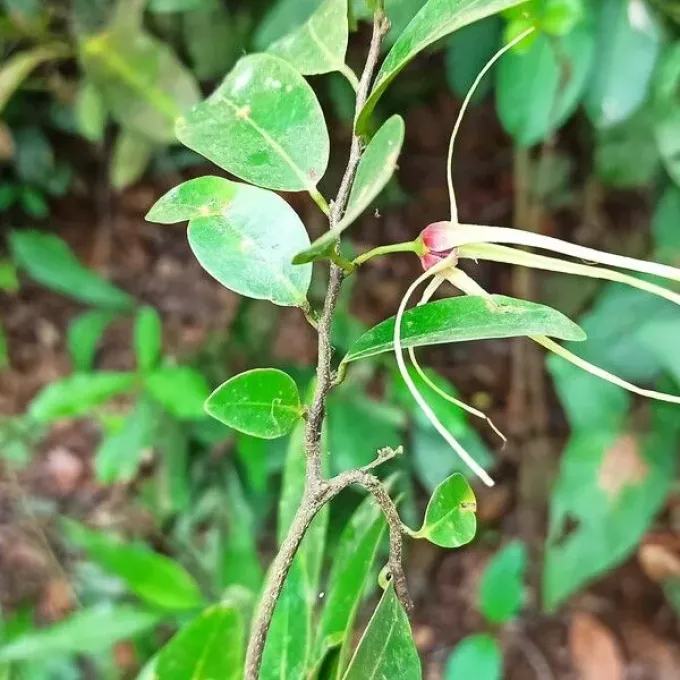
Description
Sowing dates
Xylopia longipetala is a tropical woody species, meaning that sowing in open ground is only feasible in regions with warm climates. In the natural habitat of equatorial forests, seeds are typically sown in prepared substrate immediately after the fruit matures, as their viability decreases rapidly over time.
To facilitate germination, seed scarification is highly recommended. This process helps moisture penetrate the hard seed coat more efficiently, ensuring uniform seedling emergence.
For commercial cultivation, a nursery seedling method is preferred. Young seedlings require high humidity and protection from direct sunlight during their initial months to establish a strong root system.
Transplanting to a permanent location is conducted when the seedling reaches a height of 30–50 centimeters. Care must be taken to minimize root disturbance, as the plant is sensitive to root trauma during its early stages.
The optimal planting time coincides with the onset of the rainy season, allowing the plants to acclimate and establish themselves well before the stress of a dry period.
Growing requirements
Belonging to the Annonaceae family, this plant is a native of African tropical rainforests. It thrives in humus-rich, well-draining soils that maintain steady moisture levels without becoming waterlogged.
Consistent temperatures are crucial for the development of Xylopia longipetala, ideally remaining above 18–20 degrees Celsius year-round. The crop is intolerant to cold snaps and sudden fluctuations in weather conditions.
Lighting should be filtered or dappled, as the plant naturally grows under the forest canopy. While it can handle partial sunlight in managed plantations, protection from intense direct light is often beneficial.
The soil should have a slightly acidic to neutral pH. Incorporating organic compost regularly improves soil structure and ensures the tree receives the essential nutrients required for healthy wood production.
- High air humidity (consistently above 70%).
- Freedom from frost and extreme temperature drops.
- Organic mulch layer to maintain root health.
- Regular irrigation during rainless periods.
Yield
The agricultural value of Xylopia longipetala lies in its aromatic fruits and bark, which are utilized in both the spice industry and traditional pharmacology. Yield levels depend on the tree's age and management practices.
Mature trees typically begin to bear fruit between the 5th and 7th year after planting. Maximum productivity is usually reached between 10 and 20 years of age with proper care.
Fruits are harvested manually, which ensures that only fully ripened material is collected. The fruits are rich in unique essential oils that are highly valued in the production of natural flavorings and ingredients.
The bark of the tree is also harvested for its aromatic properties in traditional medicine. This process must be managed sustainably to avoid damaging the tree's main structure and affecting its longevity.
While the crop shows potential for commercial plantation growth, ongoing research is focused on selecting high-yield varieties to optimize production for global markets.
Main diseases and pests
Xylopia longipetala is susceptible to specific tropical pathogens, particularly fungal infections of the root collar, which are often triggered by waterlogged soil conditions and poor drainage.
Pests such as mealybugs and scale insects are known to infest leaves and young shoots, sucking sap and weakening the tree. Regular canopy inspection is vital to identify and address infestations early.
Fungal leaf spots can occur when air circulation is poor, particularly in dense plantations. Proper spacing and sanitary pruning are essential preventative measures to reduce the buildup of pathogens.
Tree immunity is closely tied to balanced nutrition. Deficiencies in trace minerals can render the plant vulnerable to secondary infections that may spread rapidly through a plantation.
An integrated pest management approach, including biological controls and monitoring, is preferred over chemical interventions to maintain the ecological purity and quality of the final harvest.
Harvesting
Harvesting Xylopia is a precision task that requires deep knowledge of maturity markers. Ripe fruits are identified by their changing skin color and the development of a strong, characteristic aroma.
Fruits are cut with pruning shears to avoid damaging the branches or the developing buds for the next season. It is critical to avoid allowing fruits to fall to the ground, where they degrade rapidly.
After collection, the fruits undergo sorting and cleaning to remove debris. This is essential to preserve the integrity of the essential oils contained within the fruit tissues.
Drying is performed in shaded areas with good airflow. This method effectively preserves the biological components and aromatic compounds that make this crop valuable.
For storage, the dried product is kept in airtight containers in a cool, dark room to prevent the loss of properties and protection from stored-product pests.