
Xylopia frutescens
Xylopia frutescens
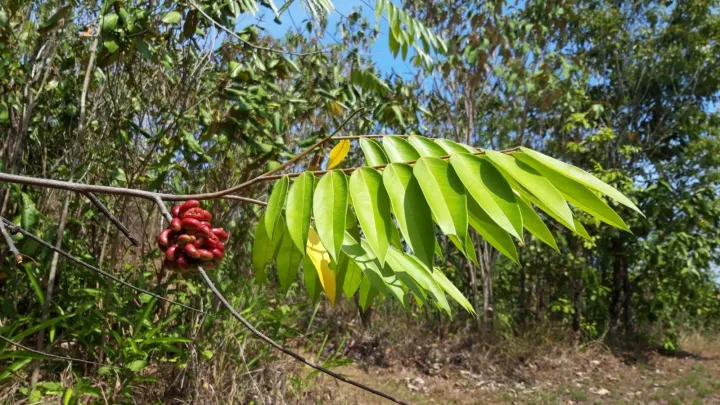
Description
Sowing dates
Propagation of Xylopia frutescens is primarily achieved through seeds in natural conditions. The seeds possess high viability, but successful germination requires consistently high humidity and warm temperatures throughout the process.
In agricultural practice, sowing should be conducted immediately after collection, as seeds rapidly lose viability when dehydrated. An optimal substrate consists of a mixture of forest soil, sand, and organic compost for healthy seedling development.
Seed germination should be managed in nurseries or greenhouses with adequate shading. Seedlings exhibit slow growth during early stages, necessitating careful maintenance and weeding to prevent competition from invasive species.
Once seedlings reach a height of 30–40 centimeters, they are ready for transplanting to their permanent site. Extreme caution must be exercised to avoid damaging the root system, so transplanting via the ball-and-burlap method is highly recommended.
Site selection must account for the need to shade young plants during their first years of life, mimicking the conditions of the natural forest canopy where they occur in the wild.
Growing requirements
Xylopia frutescens belongs to the Annonaceae family and is native to the tropical regions of Central and South America. It thrives in climates characterized by high tropical humidity and the absence of freezing temperatures.
The plant grows successfully in well-drained soils of various compositions, including loams and sandy soils. The optimal pH range for stable growth is slightly acidic to neutral, which supports nutrient availability.
While the species is light-demanding, it can tolerate partial shade during its initial developmental stages. As the tree matures, it requires full sunlight to facilitate proper wood formation and healthy flowering cycles.
High moisture requirements necessitate regular rainfall or systematic irrigation, especially during prolonged dry spells, as the species does not possess strong drought tolerance traits.
Xylopia cannot withstand frost or significant temperature fluctuations. The optimal temperature range for vegetation is between +22°C and +30°C, making it a viable candidate for tropical agricultural zones.
Yield
The primary economic product of Xylopia frutescens is its wood, which is highly valued for its durability and flexibility. Wood yield depends directly on plantation density and the quality of silvicultural practices during the early years.
Beyond timber, the plant is valued as a source of aromatic compounds. Its fruits and seeds contain essential oils used in local medicine and the fragrance industry to create unique aromatic compositions.
The collection of wild-harvested material across its natural range, extending from Mexico to Argentina, currently exceeds plantation-based production. This is largely due to the long biological growth cycle required for commercial timber maturity.
The potential yield of seeds and fruits, when managed with modern agronomic practices, allows for the plant to be considered a valuable secondary resource for botanical extracts.
Consistent crown pruning and fertilization contribute to increased total biomass, which is a critical factor for commercial production within intensive agroforestry systems.
Main diseases and pests
Xylopia frutescens is susceptible to a complex of tropical fungal diseases when cultivated in monocultures. The most common infections involve root rot, which typically occurs in soils with poor drainage and waterlogging.
The foliage may suffer from various types of powdery mildew and leaf spots, particularly in environments with high humidity and stagnant air circulation within the plantation stand.
Insect pests pose the greatest risk, especially those that target the bark and xylem of young trees. Notable pests include various wood-boring beetles and certain larval stages of Lepidoptera.
To mitigate damage from harmful organisms, agricultural strategies such as sanitary pruning of damaged branches and maintaining optimal planting density to ensure airflow are essential.
The application of chemical protection agents is only justified during the nursery phase, with a clear preference for biological control methods that maintain environmental safety and ecological balance.