
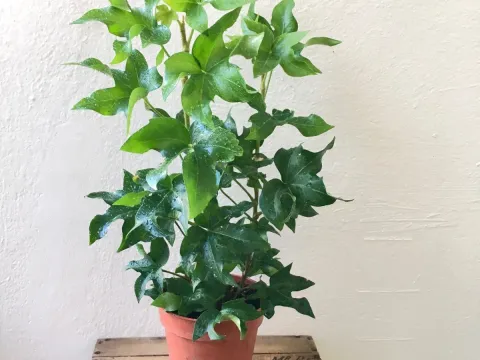
Fatshedera
x Fatshedera Guillaumin
Fatshedera is a distinct intergeneric hybrid derived from a cross between Fatsia japonica and Hedera helix. Belonging to the Araliaceae family, it manifests as a vigorous, evergreen climbing vine that retains characteristics of both parent species.
What the section contains

Fatshedera
This crop thrives in environments with temperatures ranging from 15 to 20 degrees Celsius. It requires bright, indirect light to maintain its foliage coloration and structural integrity, as intense direct sun can lead to leaf scorching.
For optimal growth, Fatshedera demands a well-draining, nutrient-rich potting mix with a neutral or slightly acidic pH. Incorporating perlite or coarse sand into the substrate is recommended to prevent waterlogging and ensure adequate aeration of the root system.
Watering should be performed consistently, allowing the top layer of the soil to dry out between applications. During the dormant winter phase, moisture intake should be reduced, while maintaining humidity levels through regular misting to protect the leaves.
The primary agricultural and horticultural use of Fatshedera is in indoor landscaping and vertical gardening. Its ability to tolerate lower light conditions makes it an excellent choice for interior greening in offices, lobbies, and residential settings.
The most common pests affecting this plant include spider mites, scale insects, and mealybugs. These pests thrive in dry indoor environments and can quickly infest stems and the undersides of leaves if left unchecked.
Diseases are typically associated with poor cultural practices, such as overwatering, which predisposes the roots to fungal rot. Symptoms of poor health include yellowing foliage, leaf drop, and softening of the stem base.
To control pest infestations, application of insecticidal soap or specific horticultural oils is advised. Early detection through routine plant inspection is crucial for maintaining the health of the vine and preventing spread to other plants.
Preventive measures include maintaining proper air circulation and strictly adhering to watering guidelines to avoid root rot. Regularly wiping dust from the leaves supports the plant's physiological processes and overall vigor.
In cases of severe fungal infection, affected parts should be pruned, and systemic fungicides applied according to instructions. Proper hygiene and balanced environmental conditions are essential for successful, long-term maintenance of this hybrid vine.