
Fatshedera lizei
x Fatshedera lizei (hort. ex Cochet) Guillaumin
Description
Growing requirements
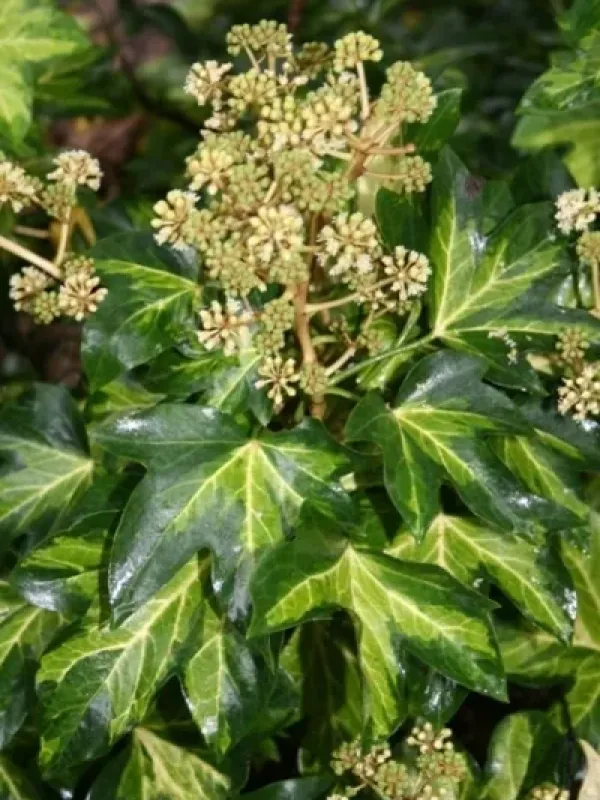
Fatshedera lizei is an intergeneric hybrid resulting from a cross between Fatsia japonica and Hedera helix. It belongs to the Araliaceae family and is commonly known as tree ivy, exhibiting a unique semi-shrub habit with vine-like flexible stems and large, glossy, lobed leaves.
Originating in France during the early 20th century, this plant is strictly an ornamental culture. It does not exist in the wild, having been specifically bred to combine the architectural form of Fatsia with the growth habit of Ivy, making it suitable for cool indoor environments.
The plant thrives in cool, bright, and indirect light. It is sensitive to direct sunlight, which can scorch its foliage, and prefers temperatures between 15°C and 20°C. Maintaining a stable environment is essential to prevent physiological stress in this hybrid culture.
Soil requirements involve a well-draining, nutrient-rich substrate. A standard mix of peat, compost, and perlite works best to maintain proper moisture levels while allowing air circulation to reach the roots, preventing compaction over time.
Cultural practices include consistent watering during the growing season and periodic pruning to maintain shape. Because it is a hybrid with moderate growth, it benefits from balanced NPK fertilizers applied sparingly to support healthy leaf development and stem structure.
Main diseases and pests
Spider mites are the most prevalent pest for Fatshedera lizei, particularly in environments with low humidity. Regular misting and washing of the leaves are recommended as preventative measures, alongside chemical control if infestations become severe.
Scale insects often colonize the stems and leaf undersides, appearing as small brown bumps. They sap plant vigor and can be managed by physical removal followed by the application of horticultural oils or systemic insecticides.
Mealybugs can thrive in the sheltered leaf axils of the plant. A targeted application of isopropyl alcohol on a cotton swab or the use of systemic pesticides is necessary to eliminate these pests effectively without damaging the foliage.
Root rot is a common issue caused by overwatering or poor drainage. This condition quickly leads to leaf drop and decline; therefore, ensuring a thick drainage layer at the bottom of the container is a critical component of successful cultivation.
Leaf spot diseases, often fungal in origin, may appear if the plant is kept in humid conditions with poor air movement. Proper sanitation, including the removal of infected leaves and the use of copper-based fungicides, is advised to manage these threats.